
Hip Fractures Missoula, MT
Specialties
Orthopedic Hip Specialists for Hip Fractures in Western Montana
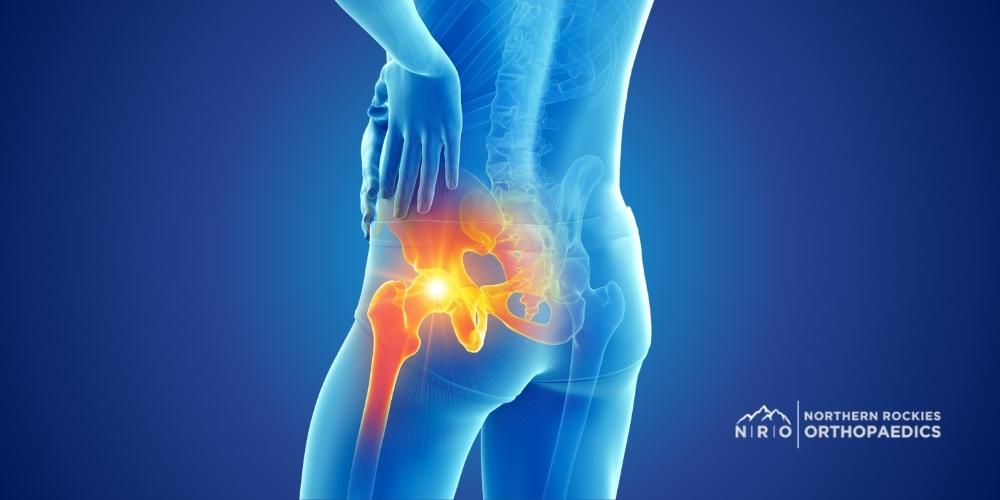
Hip fractures can make it difficult to walk, move, or stay independent, and they require prompt, skilled care. At Northern Rockies Orthopaedics in Missoula, Montana, we focus on helping you heal quickly and safely. Our team uses advanced imaging and personalized treatment plans, both surgical and nonsurgical, to stabilize the injury, relieve pain, and restore mobility. We guide you through every stage of recovery so you can return to daily activities with confidence.
If you’re dealing with a hip fracture, we’re here to support your healing. Call Northern Rockies Orthopaedics at (406) 728-6101 or contact us online to schedule your appointment today.
What is a Hip Fracture?
Hip fractures occur when the bone breaks in the upper portion of the femur near the hip joint, disrupting the structural integrity of this critical weight-bearing joint.
The femur connects to the pelvis at the hip, forming a ball-and-socket joint where the femoral head fits into the acetabulum. Fractures in this area severely compromise stability and function. Most hip fractures result from falls in older adults with decreased bone density, though younger patients may experience these injuries from severe trauma such as motor vehicle accidents.
The fracture can involve either a single break or multiple breaks in the bone, with varying degrees of displacement that determine the appropriate hip treatment.
Types of Hip Fractures
Orthopedic surgeons identify hip fractures based on where the bone breaks in the upper femur, and each type requires a specific treatment approach. Common hip fractures include femoral neck, intertrochanteric, subtrochanteric, and stress fractures. Knowing the exact type helps determine whether internal fixation, a partial hip replacement, or a total hip replacement will offer the best recovery. Factors such as fracture displacement, blood supply, and patient age also influence treatment and healing.
Femoral Neck Fractures
Femoral neck fractures occur in the narrow section of bone connecting the femoral head to the femoral shaft, approximately two inches below the ball of the hip joint. A displaced femoral neck fracture poses serious risks because the break can compromise blood supply to the femoral head, potentially leading to avascular necrosis, where bone tissue dies from lack of circulation.
Femoral head fractures involve breaks in the ball portion of the joint itself. These intracapsular fractures occur within the hip joint capsule and are among the most common types of hip fractures in the elderly population. Treatment depends on fracture displacement: displaced fractures typically require partial or total hip replacement, while non-displaced fractures may heal with internal fixation using screws.
Intertrochanteric Fractures
Intertrochanteric hip fractures break through the bone between the femoral neck and the femoral shaft in the region where two bony prominences called trochanters attach to the femur. These extracapsular fractures occur outside the hip joint capsule and generally maintain better blood supply than femoral neck fractures, reducing the risk of avascular necrosis. Orthopedic hip surgeons in Missoula typically treat intertrochanteric fractures with a compression hip screw or similar internal fixation device that stabilizes the broken bones during healing. Early surgery for intertrochanteric fractures leads to better outcomes and fewer medical complications in hip fracture patients.
Subtrochanteric Fractures
Subtrochanteric fractures involve breaks in the upper femur below the lesser trochanter, extending into the shaft of the bone in an area subjected to significant mechanical stress. These fractures require strong internal fixation devices because the powerful muscles surrounding the hip create forces that can displace the broken bones during healing. Younger patients who experience subtrochanteric fractures from severe trauma face different challenges than elderly patients with weakened bone density who sustain these injuries from relatively minor falls. Treatment focuses on achieving stable fixation that allows early weight-bearing and mobilization to prevent the serious medical complications associated with prolonged immobility.
Stress Fractures
A stress fracture in the hip represents an incomplete fracture caused by repetitive loading and overuse rather than a single traumatic event, appearing as a hairline crack in the bone. Athletes and military personnel commonly develop these injuries in the femoral neck from activities involving repetitive impact and weight bearing without adequate rest. Unlike complete fractures from acute trauma, stress fractures may cause gradually worsening hip pain that patients initially attribute to muscle strain or other soft tissue injuries. Early diagnosis through magnetic resonance imaging (MRI) is critical because untreated stress fractures can progress to complete breaks requiring hip fracture surgery instead of conservative management.

Is a Hip Fracture the Same as a Broken Hip?
A hip fracture and a broken hip describe the same condition, where the bone breaks in the upper portion of the femur near the hip joint. Medical professionals and orthopedic surgeons use these terms interchangeably to refer to fractures occurring in the femoral neck, intertrochanteric region, or subtrochanteric area.
The term “hip fracture” provides more specificity about the location and nature of the injury, while “broken hip” serves as the common lay term that patients and families more readily understand. Regardless of terminology, these injuries represent serious medical emergencies requiring prompt evaluation by an orthopedic surgeon and typically necessitate hip surgery to restore function and prevent life-threatening complications.
Broken Hip Symptoms
Patients with acute hip fractures typically experience severe hip pain in the groin or outer hip area that worsens with any attempt at weight bearing or movement of the affected hip. The injured leg often appears shortened and externally rotated, with the foot and knee turned outward compared to the uninjured side. Swelling and bruising develop around the hip joint, and patients cannot bear weight or walk without extreme pain, usually requiring immediate assistance.
Additional symptoms include tenderness in the hip area, muscle spasms, and complete inability to lift the leg; however, some patients with incomplete or impacted fractures may retain limited mobility, which can delay diagnosis.
Hip Fracture Causes
Most hip fractures fall into two categories based on mechanism: low-energy falls in older adults with compromised bone density and high-energy trauma in younger patients with healthy bones.
The elderly population experiences the majority of hip fractures from simple falls at ground level, where decreased bone strength cannot withstand even moderate impact forces. Severe trauma from motor vehicle accidents, falls from heights, or crushing injuries causes hip fractures in younger patients, requiring tremendous force to break the strong bone of a healthy femur.
Other causes include stress fractures from repetitive loading, pathologic fractures through bone weakened by tumors or metabolic disease, and spontaneous fractures in patients with severely compromised bone density, where the bone breaks during normal activities.

Risk Factors for Hip Fracture
Advanced age stands as the primary risk factor for hip fractures, with fracture risk increasing dramatically after age 65 as bone density decreases and fall risk rises. According to the CDC, osteoporosis and reduced bone density weaken the femoral neck and other areas of the upper femur, making bones more susceptible to breaking from minor trauma, with hip fracture rates highest among those aged 85 and older. Female patients face a higher fracture risk than males, particularly after menopause, when hormonal changes accelerate bone loss and decrease muscle mass that normally protects against falls.
Additional risk factors include underlying hip conditions, previous fractures, certain medications that affect bone health or increase fall risk, and medical conditions that impact mobility or cognitive function. Other contributors include poor nutrition, a sedentary lifestyle, smoking, excessive alcohol use, and reduced muscle mass or balance.
Diagnosing Hip Fractures in Missoula
Accurate diagnosis of hip fractures requires a combination of thorough physical examination and advanced diagnostic imaging to determine the fracture type, displacement, and optimal treatment approach. The orthopedic surgeons at Northern Rockies Orthopaedics utilize comprehensive evaluation methods to quickly identify hip fractures and initiate appropriate treatment. Early and precise diagnosis is essential for preventing medical complications and ensuring the best possible outcomes for hip fracture patients. Our team of providers combines clinical expertise with state-of-the-art imaging technology to provide accurate diagnoses and develop effective hip treatments in Missoula.
Physical Examination
Our orthopedic hip surgeon team begins the diagnostic process with a thorough physical examination, assessing the patient’s ability to bear weight and observing characteristic signs such as leg shortening and an externally rotated limb.
The physician gently palpates the hip area to identify the points of maximum tenderness, evaluates the range of motion, and documents any visible deformity or swelling. During examination, patients presenting with an acute hip fracture typically cannot lift their leg against gravity or rotate the hip without severe pain.
The physical examination also includes assessment of neurovascular status to ensure nerves and blood vessels remain intact, evaluation of other potential injuries, and consideration of differential diagnosis to rule out muscle strain, hip dislocation, or other hip conditions that may mimic fracture symptoms.
Diagnostic Imaging
Standard X-rays provide the initial imaging for most hip fractures, clearly showing displaced fractures and complete breaks in the femoral neck, intertrochanteric region, or subtrochanteric area. When X-rays appear normal but clinical suspicion remains high based on physical examination findings, magnetic resonance imaging detects occult fractures, stress fractures, and bone bruising not visible on standard radiographs.
CT scans help our orthopedic hip surgeons plan surgical approaches by providing detailed three-dimensional views of complex fracture patterns, particularly for intertrochanteric fractures and subtrochanteric fractures with multiple breaks. Additional imaging may include bone density scans to assess fracture risk for the contralateral hip and help guide prevention strategies to reduce the likelihood of future hip fractures.
Non-Surgical Hip Fracture Treatments
Nonsurgical treatment may be available depending on the severity of the hip fracture. Certain non-displaced femoral neck fractures in patients with significant medical conditions that make hip fracture surgery extremely risky may heal with strict bed rest and protected weight bearing. We closely monitor these patients with serial X-rays to ensure the fracture remains stable and begins healing, though this approach carries substantial risks of medical complications from prolonged immobility.
Conservative management focuses on pain control and preventing complications while the fracture heals, though our orthopedic surgeons generally recommend surgical treatment for most hip fractures to allow earlier mobilization and better functional outcomes.
Activity Modification
Activity modification for conservatively managed hip fractures requires strict limitation of weight bearing on the affected hip, typically with complete bed rest or wheelchair use during the initial healing period. Patients must avoid any movement that loads the fracture site while gradually progressing activities under close medical supervision as the fracture heals.
Our physical and occupational therapists work with patients to maintain upper body strength and teach safe transfer techniques that protect the healing bone. Even with conservative treatment, we encourage patients to start physical therapy for the unaffected limbs and core muscles to prevent deconditioning and to prepare for eventual weight-bearing on the injured hip.
Physical Therapy
Physical therapy is essential to recovering from hip fractures. The skilled physical therapists at NRO create personalized rehabilitation plans that start with gentle range-of-motion exercises and gradually incorporate weight-bearing and strengthening activities as healing progresses. These exercises are meant to rebuild muscle, improve mobility, and restore independence.
Our Missoula physical therapists also teach safe movement techniques, proper use of assistive devices, and pain management strategies. The ultimate goals are to restore normal walking patterns, improve balance to reduce fall risk, and help patients return to their previous level of function and quality of life.
Hip Fracture Surgery in Missoula, Montana
At NRO, our Missoula orthopedic hip surgeons use various surgical approaches to treat hip fractures based on fracture location, displacement, patient age, and overall health status. The most common hip fracture surgeries include internal fixation, partial hip replacement, and total hip replacement.
Internal Fixation
Internal fixation is a standard surgical procedure used to treat hip fractures while preserving the patient’s natural bone. It works well for non-displaced femoral neck fractures or trochanteric fractures that haven’t shifted too much. Surgeons use special hardware, such as compression hip screws, rods, or plates, to hold the broken bone pieces together so they can heal properly. This stable repair allows patients to start moving and putting weight on the leg sooner, which helps prevent complications and supports a quicker recovery.
Hip Replacement
Displaced femoral neck fractures in older adults often require partial or total hip replacement instead of internal fixation. This is because these fractures can cut off blood flow to the top of the thigh bone, increasing the risk of bone death and poor healing. In elderly patients, screws and rods used in internal fixation often fail due to weaker bones and lower healing ability. Replacing the damaged part of the hip with an artificial joint provides better pain relief, helps patients move sooner, and reduces the risk of complications. The decision between partial and total hip replacement depends on the patient’s age, activity level, and overall health.
Hip Fracture FAQs
Why Are Hip Fractures More Common in Older Adults?
Older adults experience hip fractures at much higher rates because aging causes progressive loss of bone density and muscle mass that normally protects against fractures. Decreased balance, vision problems, medication side effects, and other age-related changes increase fall risk in the elderly population, while weakened bones break more easily from relatively minor trauma.
Why Is a Hip Fracture So Dangerous?
Fractures of the hip carry serious risks because the injury often leads to life-threatening medical complications, including blood clots, pneumonia, pressure ulcers, and cardiovascular problems from prolonged immobility. The trauma triggers a cascade of physiological stress, which is particularly dangerous for elderly patients with existing health conditions, and many never regain their previous level of independence or mobility after breaking their hip.
Can You Walk With a Broken Hip?
Most patients with an acute hip fracture cannot walk or bear weight on the affected hip due to severe pain and structural instability of the broken bones. While some patients with incomplete fractures or impacted fractures may initially retain limited ability to walk with assistance, attempting weight bearing on an untreated hip fracture risks further displacement and should be avoided until an orthopedic surgeon evaluates the injury.
How Long Does a Hip Fracture Take to Heal?
A typical hip fracture heals in approximately 3 to 6 months, though recovery time varies depending on fracture type, treatment approach, patient age, and overall health status.
Can You Fracture Your Hip and Not Know It?
Patients can experience stress fractures or incomplete fractures without immediately recognizing the injury, initially attributing hip pain to muscle strain or arthritis rather than broken bones.

Your Path to Recovery Starts With the Missoula Hip Specialists at Northern Rockies Orthopaedics
At Northern Rockies Orthopaedics, we know that hip fractures require fast, expert treatment to prevent complications and help you get back to daily life. Our skilled orthopedic hip surgeons provide comprehensive care for all types of hip fractures, from initial diagnosis to surgery and recovery.
If you’re experiencing hip pain or think you may have a fracture, call (406) 728-6101 or contact us online to schedule an appointment. Let our Missoula hip specialists help you heal, regain mobility, and return to the life you enjoy.
Patient Testimonials
Move Better. Feel Better. Perform Better.
We are committed to high quality orthopedic healthcare and implementing innovative, value-added solutions to deliver compassionate, patient-centered healthcare.