
Shoulder Conditions in Missoula, Montana
Specialties
Trusted Shoulder Specialists Serving Patients Throughout Western Montana

Many people across Montana deal with shoulder pain that affects their daily lives. At Northern Rockies Orthopaedic, we provide expert care for a wide range of shoulder conditions in Missoula, Montana, including rotator cuff tears, frozen shoulder syndrome, arthritis, shoulder dislocations, and other common shoulder injuries.
Our experienced orthopaedic surgeons evaluate the shoulder joint, rotator cuff tendons, ligaments, and surrounding muscles and tendons to pinpoint the exact cause of your shoulder pain. Using advanced imaging tests, thorough physical exams, and a review of your medical history, we create a personalized treatment plan designed to reduce pain, improve shoulder movement, and restore your range of motion. If you’re ready to find relief from shoulder pain, call Northern Rockies Orthopaedic at (406) 728-6101 or contact us online today.
Understanding the Shoulder Joint
The shoulder joint is a complex ball-and-socket joint made up of three bones: the upper arm bone (humerus), the shoulder blade (scapula), and the collarbone (clavicle). These bones are supported by a network of muscles, ligaments, and tendons, including the rotator cuff, which is a group of muscles and tendons that help stabilize and move the shoulder socket.
Due to its wide range of motion, the shoulder is particularly susceptible to injury and wear and tear. Conditions like rotator cuff tears, frozen shoulder, arthritis, and dislocated shoulder can disrupt the balance of this system, causing pain, weakness, stiffness, or even broken bones. Inflammation, scar tissue, or damage to the ligaments holding the joint together may also interfere with normal function.
At Northern Rockies Orthopaedic, our experienced health care professionals assess how each patient’s unique condition affects their shoulder joint and provide treatments that target the source of shoulder pain while preserving long-term mobility and strength.
Common Shoulder Injuries and Conditions We Treat at Northern Rockies Orthopaedic
The shoulder joint is one of the most flexible and also one of the most easily injured joints in the body. It’s formed by three bones: the upper arm bone, the shoulder blade, and the shoulder socket, all supported by a complex system of muscles, ligaments, and tendons that allow for smooth and stable shoulder movement.
According to the National Institute of Arthritis and Musculoskeletal and Skin Diseases (NIAMS), shoulder pain causes can stem from both acute injuries and chronic conditions affecting these surrounding tissues. At Northern Rockies Orthopaedic, our team of orthopedic specialists in Missoula, MT, uses advanced imaging tests, thorough physical exams, and your complete medical history to diagnose the most common shoulder problems and develop a treatment plan tailored to your needs.
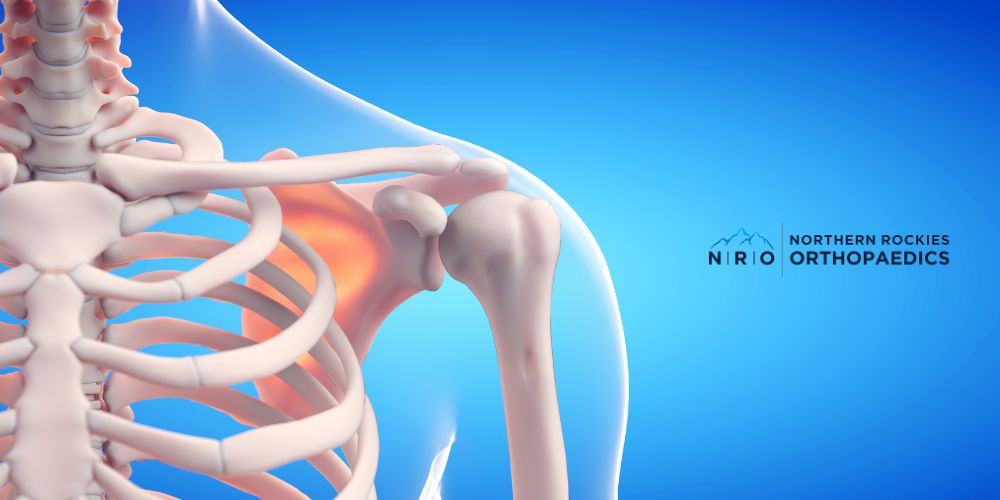
Rotator Cuff Injuries
The rotator cuff is a group of muscles and tendons that keep your upper arm bone centered in the shoulder socket. A rotator cuff injury can occur suddenly due to trauma or develop gradually from wear and tear. Rotator cuff tears are a leading cause of shoulder pain, especially in middle age, and can make it difficult to lift your arm or reach overhead.
Shoulder Impingement Syndrome
When the rotator cuff tendons rub or catch against the top part of the shoulder blade, it can cause inflammation known as shoulder impingement syndrome. This condition often results from repetitive overhead activity and can lead to severe pain, swelling, and limited range of motion. Without treatment, impingement can worsen and contribute to rotator cuff tears.
Frozen Shoulder (Adhesive Capsulitis)
Frozen shoulder, or adhesive capsulitis, is a condition that causes thickening and tightening of the capsule surrounding the shoulder joint, often leading to scar tissue and restricted shoulder movement. Patients may feel pain and stiffness that worsens over time, eventually making the arm difficult to move. Frozen shoulder can result from injury, surgery, or even certain skin diseases and musculoskeletal conditions.
Shoulder Instability and Dislocations
If the rounded socket of the shoulder becomes too loose or damaged, the upper arm bone may slip out, resulting in a dislocated shoulder. Repeated episodes can lead to shoulder instability, a condition that causes the joint to feel weak or as if it could dislocate again. A shoulder dislocation may also stretch or tear the ligaments holding the joint together.
SLAP/Labral Tear Injuries
A SLAP tear is a specific type of labral tear affecting the upper part of the shoulder socket where the biceps tendon attaches. These injuries can result from trauma, sports, or repeated overhead motion and may cause clicking, popping, or deep shoulder pain. Labral tears can also occur in conjunction with other shoulder injuries, such as rotator cuff tears or shoulder instability.
Shoulder Arthritis
Arthritis in the shoulder joint happens when the smooth cartilage between the bones wears down over time. This wear and tear can cause stiffness, swelling, and pain, especially during movement. Shoulder arthritis is common in older adults and may be a normal part of the aging process, but it can also develop after trauma or surgery.
Shoulder Fractures and Traumatic Shoulder Injuries
A shoulder fracture involves a break in one of the three bones that make up the shoulder joint, often the upper arm bone, collarbone, or shoulder blade. These broken bones usually result from falls, sports injuries, or vehicle accidents and may lead to immediate swelling, bruising, and limited movement.
Biceps Tendon Injuries
The biceps tendon runs from the elbow to the top of the shoulder and plays a key role in bending the arm and stabilizing the shoulder joint. Injury to this tendon, whether from overuse, sudden trauma, or aging, can result in sharp pain, weakness, or a popping sensation. Common biceps tendon injuries include tendinitis, tears, or ruptures.
Non-Surgical Shoulder Treatments in Missoula, Montana
At Northern Rockies Orthopaedic, many shoulder conditions can be successfully treated without surgery. Our team offers a wide range of non-surgical shoulder treatments in Missoula, Montana, to help patients reduce pain, improve shoulder movement, and restore their range of motion.
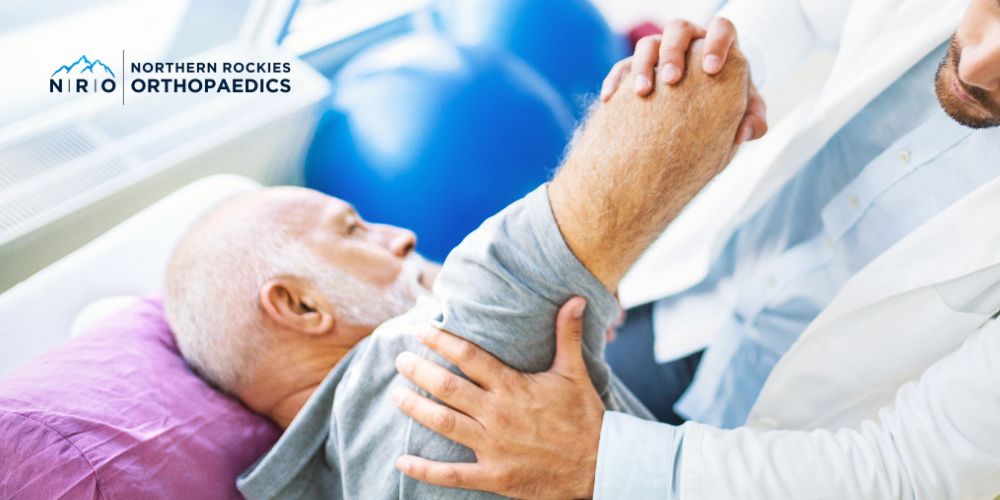
Common non-surgical treatment options include physical therapy exercises guided by a licensed physical therapist, the use of ice packs to reduce inflammation, and medications to relieve swelling and discomfort. We also offer corticosteroid injections and PRP therapy for targeted pain relief.
Whether you’re dealing with rotator cuff injuries, frozen shoulder, or wear-and-tear arthritis, our goal is to help you return to your normal activities as safely and quickly as possible, without the need for surgery.
Advanced Surgical Solutions for Shoulder Pain and Injuries at Northern Rockies Orthopaedic
When non-surgical treatments are not enough to relieve shoulder pain or restore full shoulder movement, our team at Northern Rockies Orthopaedic offers a range of advanced surgical options. We treat rotator cuff tears, shoulder fractures, shoulder dislocations, labral injuries, and arthritis using minimally invasive and open techniques designed to reduce recovery time and improve outcomes.
Our Missoula orthopaedic shoulder surgeons use the latest technology and surgical methods to repair rotator cuff tendons, stabilize the shoulder joint, replace damaged surfaces, and remove scar tissue when necessary. Each surgical plan is based on your medical history, imaging tests, and the severity of your shoulder injury or condition, ensuring the best possible care for your shoulder problems.
FAQs About Shoulder Pain in Missoula, Montana
What Are the Most Common Causes of Shoulder Pain?
The most common shoulder pain causes include rotator cuff injuries, shoulder impingement, frozen shoulder, arthritis, shoulder dislocations, and tendon inflammation from overuse or aging. These conditions can affect the muscles, tendons, ligaments, and bones of the shoulder joint, resulting in pain, stiffness, and a limited range of motion.
What is the Difference Between Total and Reverse Shoulder Replacement?
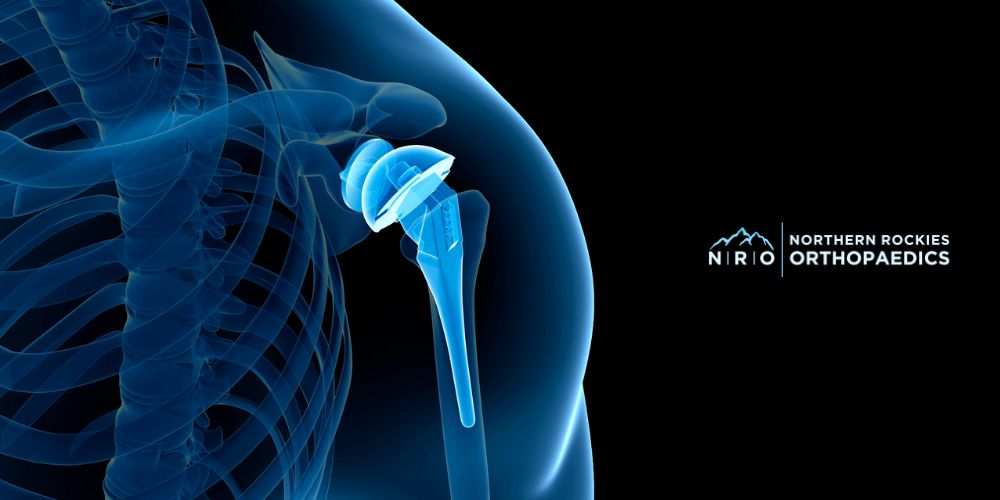
Total shoulder replacement involves replacing the damaged parts of the shoulder joint with artificial components placed in their normal anatomical positions. This procedure is typically recommended when the rotator cuff tendons are healthy and intact. On the other hand, reverse shoulder replacement is used when the rotator cuff is severely torn or nonfunctional.
Do All Rotator Cuff Tears Require Surgery?
Not all rotator cuff tears require surgery. Many small or partial tears can be treated with physical therapy, ice packs, activity modification, and medications to reduce inflammation and relieve pain. However, larger or more severe tears that limit shoulder movement or cause ongoing shoulder pain may need surgical repair.
Can Shoulder Conditions Be Treated Without Surgery?
Many shoulder conditions can be treated without surgery. Non-surgical treatments, such as physical therapy, ice packs, medications, injections, and rest, can help reduce pain, improve range of motion, and support healing. These options are often effective for rotator cuff injuries, frozen shoulder, arthritis, and other common shoulder problems.

Ready to Move Without Shoulder Pain? Contact the Missoula Shoulder Specialists at Northern Rockies Orthopaedic Today.
If you’re experiencing shoulder pain, weakness, or limited movement, Northern Rockies Orthopaedic offers trusted orthopedic care for patients across Montana. Our team treats a range of shoulder conditions, including rotator cuff tears, frozen shoulder, arthritis, and shoulder fractures, using personalized treatment plans designed to restore comfort and function.
Whether you need physical therapy, advanced imaging, or surgical care, we’re here to help you feel better and move with confidence. Call Northern Rockies Orthopaedic at (406) 728-6101 or contact us online to schedule your consultation today.
Patient Testimonials
Move Better. Feel Better. Perform Better.
We are committed to high quality orthopedic healthcare and implementing innovative, value-added solutions to deliver compassionate, patient-centered healthcare.