
Elbow Treatments in Missoula, Montana
Specialties
Advanced Orthopedic Solutions for Elbow Pain in Missoula
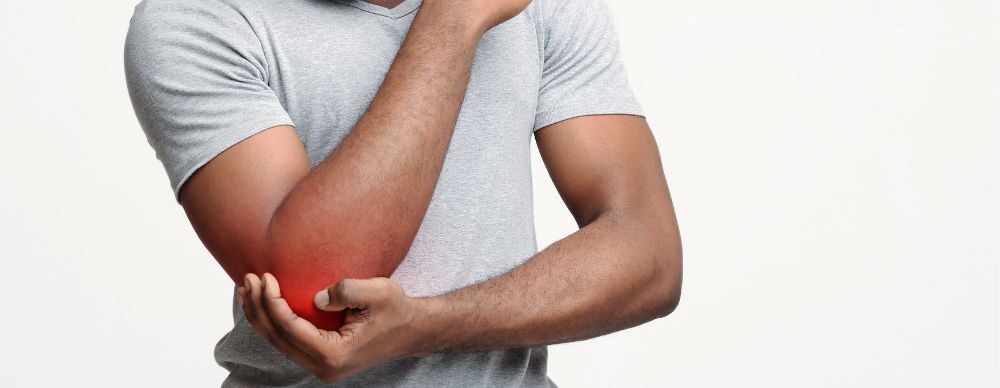
Elbow pain shouldn’t keep you from doing the things you enjoy. Whether you’re dealing with tennis elbow, golfer’s elbow, or another injury, the experienced team at Northern Rockies Orthopaedics in Missoula, Montana, offers personalized elbow treatments to help you move comfortably again.
We treat a wide range of elbow conditions, including overuse injuries, ulnar nerve compression, joint stiffness, tendon irritation, and more. Our Missoula elbow specialists use the latest diagnostic tools and treatment techniques to reduce inflammation, relieve pain, and restore natural movement in the elbow joint.
If elbow pain is interfering with sports, work, or everyday tasks, don’t wait to get the care you need. Call (406) 728-6101 or contact us online to schedule your appointment today.
Common Elbow Conditions Treated at Northern Rockies Orthopaedics
At Northern Rockies Orthopaedics, we help patients across Montana find lasting relief from elbow pain caused by a variety of medical conditions and injuries. Whether your discomfort comes from repetitive activities, overuse injuries, or sudden trauma, our team offers personalized elbow treatments to help you heal. Below are some of the most common elbow problems we diagnose and treat in our clinic.
Cubital Tunnel Syndrome
Cubital tunnel syndrome happens when the ulnar nerve (the same nerve that causes the “funny bone” feeling) becomes pinched near the elbow joint. This condition can lead to numbness, tingling, or pain in the lower arm, especially around the wrist and fingers. It is often caused by repetitive motion or keeping the elbow bent for long periods. Treatment includes physical therapy, ice packs, and elbow bracing to reduce nerve pressure. In severe cases, surgery may be necessary.
Radial Tunnel Syndrome
Radial tunnel syndrome occurs when the radial nerve becomes compressed or irritated as it passes through a narrow space near the elbow called the radial tunnel. When the nerve is pinched, it can cause pain in the outer part of the elbow and forearm. The pain typically feels like a dull ache or burning sensation. Treatment often includes rest, anti-inflammatory medications, physical therapy, and steroid injections. In more serious cases, surgery may be needed to relieve pressure on the nerve.
Lateral Epicondylitis (Tennis Elbow)
Tennis elbow, or lateral epicondylitis, is a common injury caused by repeated stress to the forearm muscles and tendons near the outside of the elbow. It can happen to anyone, not just tennis players, and usually results from repetitive movements like lifting, gripping, or typing.
If you’re experiencing soreness, stiffness, or tendon pain on the outside of your elbow, our specialists can diagnose tennis elbow and create a personalized treatment plan. Depending on your needs, your tennis elbow treatment may include physical therapy, extracorporeal shock wave therapy, over-the-counter medications, or platelet-rich plasma (PRP) injections to promote tendon healing and restore normal movement.
Medial Epicondylitis (Golfer’s Elbow)
Golfer’s elbow, also known as medial epicondylitis, causes pain on the inside of the elbow where the forearm muscles attach. Just like with tennis elbow, this condition is linked to repetitive motion, especially gripping or throwing. It can lead to pain and stiffness, weak grip strength, and numbness or tingling. Golfer’s elbow typically responds well to nonsurgical treatments such as physical therapy, over-the-counter pain relievers, or platelet-rich plasma injections.
Olecranon Bursitis
Olecranon bursitis occurs when the small fluid-filled sac at the tip of the elbow becomes inflamed, causing pain and swelling in the back of the elbow joint. It can result from repetitive activities, direct trauma, or even infection. Treatment may involve rest, splinting, corticosteroid injections, and draining fluid from the affected area.
Elbow Arthritis and Joint Degeneration
Elbow arthritis damages the cartilage in the elbow joint, leading to chronic pain and elbow stiffness. Both osteoarthritis and rheumatoid arthritis can make it difficult to perform simple daily tasks, such as lifting groceries or getting dressed. Arthritis treatment typically includes prescription anti-inflammatory medications, physical therapy, and steroid injections. In advanced cases, surgery may be necessary to repair or replace the damaged joint.
Elbow Injuries
Elbow injuries can result from overuse, sudden trauma, or underlying medical conditions. Common injuries include elbow fractures, dislocations, and tendon tears. Repetitive motions like lifting, gripping, or throwing can strain the tendons and muscles, while direct impacts or falls may lead to broken bones or joint dislocations. Symptoms often include pain, swelling, stiffness, or reduced range of motion. Treatment depends on the type and severity of the injury but may involve bracing or splinting, physical therapy, and surgery.
When You Should See an Elbow Specialist in Missoula
If elbow pain makes it difficult to go about your daily life or keeps coming back despite rest and over-the-counter medications, it’s time to see an elbow specialist at Northern Rockies Orthopaedics. We treat a wide range of elbow conditions in Missoula, including tennis elbow and golfer’s elbow, cubital tunnel syndrome, elbow injuries, and joint degeneration.
Schedule an appointment if you notice severe pain, numbness, swelling, or difficulty moving your arm. Pain that interferes with sleep, worsens with movement, or affects your ability to work should never be ignored. The sooner we can diagnose the cause of your elbow problems, the faster we can start a treatment plan to reduce pain and help you return to normal activities.
Non-Surgical Elbow Treatments at NRO
Many patients can find relief from elbow pain and regain function without the need for surgery. Our Missoula elbow specialists offer a range of non-surgical treatment options designed to alleviate pain and inflammation, restore mobility, and help you return to your normal routine.
Physical Therapy
Physical therapy is one of the most effective ways to treat tennis elbow, golfer’s elbow, and other overuse injuries. Working with a physical therapist or occupational therapist, you’ll perform guided exercises that stretch and strengthen the forearm muscles, improve blood flow, and help the elbow heal. Therapy can also help restore flexibility and minimize scar tissue after surgery.
For many patients, a few weeks of physical therapy can significantly reduce pain and enhance their ability to participate in daily activities.
Elbow Joint Injections
For patients with severe pain or inflammation, elbow joint injections can provide fast pain relief. A platelet-rich plasma or steroid injection can target the source of tendon pain, help alleviate arthritis symptoms, and support the healing of damaged tissue. These injections can also reduce irritation around the ulnar nerve in conditions such as cubital tunnel syndrome or radial tunnel syndrome. In many cases, injections are combined with other treatments, such as physical therapy, to achieve the best results.
Bracing and Splinting
Bracing and splinting can help support the elbow and upper arm after an injury or when managing a chronic condition. These devices limit movement, reduce strain on the joint, and help relieve pain caused by overuse or inflammation. After a physical exam, we may recommend a custom brace or splint to keep the elbow in the right position while it heals. This approach is often combined with rest, pain medication, and physical therapy to aid in recovery and prevent further injury.
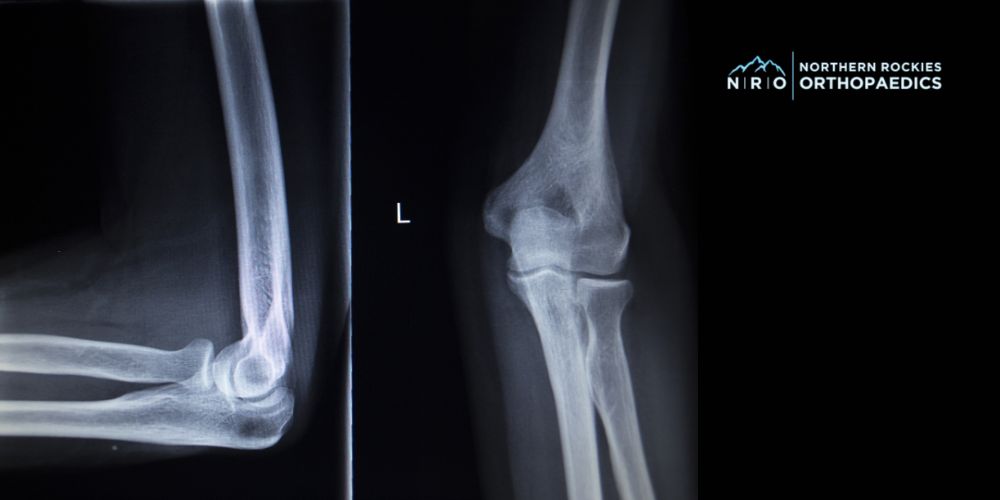
Surgical Elbow Treatments in Missoula, MT
In some cases, surgical treatment may be necessary to alleviate pain and restore elbow function. At Northern Rockies Orthopaedics, we offer advanced surgical techniques to repair elbow injuries, improve function of the elbow joint, and help patients return to their usual activities.
Minimally Invasive Elbow Surgery
Minimally invasive elbow surgery uses small incisions and specialized instruments to treat elbow injuries and conditions while reducing trauma to the surrounding soft tissues. It can be used to remove loose bone fragments, repair tendons and ligaments, and treat conditions such as arthritis.
Elbow Arthroscopy
Elbow arthroscopy is a minimally invasive procedure that allows the surgeon to look inside the elbow joint using a small camera and surgical instruments. Through tiny incisions, the surgeon can see damaged tissue, remove loose fragments, or repair tendons and ligaments. Because the incisions are small, recovery is usually faster and less painful than with traditional open surgery.
Tendon and Ligament Repair
Tendon and ligament repair surgery fixes torn or damaged tissues that help control movement and keep the elbow joint stable. During the procedure, the surgeon carefully reattaches or reconstructs the torn tendon or ligament to help it heal properly. This type of elbow surgery can restore strength, reduce pain, and allow patients to return to normal activities over time.
Elbow Arthoplasty
Elbow arthroplasty, or elbow joint replacement surgery, is used to treat severe arthritis, complex fractures, or joint damage that hasn’t improved with other treatments. During the surgery, the damaged parts of the elbow joint are replaced with artificial components to restore function. This procedure can significantly improve mobility and quality of life for patients dealing with chronic elbow pain or stiffness.
Cubital Tunnel Release
A cubital tunnel release relieves pressure on the ulnar nerve by widening the tight space inside the elbow joint. This procedure helps reduce stress on the nerve, restore sensation in the wrist and fingers, and improve function in the affected arm. Many patients notice improvement within a few weeks and can return to everyday activities with less discomfort.
Radial Nerve Decompression
Radial nerve decompression is a type of elbow surgery that treats radial tunnel syndrome. During the procedure, the surgeon releases the radial nerve from surrounding tissues that may be pinching or irritating it. This helps reduce symptoms and restore normal nerve function, allowing for better movement and less pain.
UCL Reconstruction ("Tommy John Surgery")
Athletes who play tennis, baseball, or other sports that involve repeated arm motions may develop injuries to the ulnar collateral ligament (UCL) in the elbow. UCL reconstruction, also known as Tommy John surgery, is a procedure that rebuilds the torn ligament using a tendon from another part of the body or a donor. After surgery, patients typically follow a structured physical therapy program for several months to regain strength and safely return to sports.
Fracture Repair
A broken elbow can cause severe damage to the joint space. Fracture repair surgery restores alignment and stabilizes the elbow joint so the bone can heal properly. Depending on the injury, we may use plates, screws, or wires to support healing of the affected arm.

Elbow Treatment FAQs
Can Ice Packs and Over-the-Counter Medications Treat Elbow Pain?
Yes, ice packs and over-the-counter medications can help reduce pain and swelling from mild elbow problems, but ongoing elbow pain may need further treatment.
What is the Difference Between Tennis Elbow and Golfer's Elbow?
Tennis elbow affects the outside of the elbow joint, while golfer’s elbow affects the inside, though both are caused by repetitive motion and lead to tendon pain and weakness.
How Long is the Recovery After Elbow Surgery?
Recovery after elbow surgery can take anywhere from a few weeks for minimally invasive procedures to several months for more complex surgeries. Most patients will need physical therapy to help restore strength, flexibility, and regular movement in the elbow.
Don’t Let Elbow Pain Control Your Life. Schedule an Appointment at Northern Rockies Orthopaedics Today.
If elbow pain is holding you back from work, sports, or daily activities, the Missoula elbow specialists at Northern Rockies Orthopaedics are here to help. Our team provides comprehensive care, ranging from conservative treatments such as physical therapy and bracing to advanced surgical solutions. We take a personalized approach, carefully evaluating your symptoms and creating a treatment plan that fits your specific needs.
Whether you’re recovering from a recent injury or managing a chronic condition, we’re dedicated to helping you find lasting relief and improved mobility. Call (406) 728-6101 or contact us online to schedule your appointment today.
Patient Testimonials
Move Better. Feel Better. Perform Better.
We are committed to high quality orthopedic healthcare and implementing innovative, value-added solutions to deliver compassionate, patient-centered healthcare.