
Hip Conditions in Missoula, Montana
Specialties
Providing Comprehensive Orthopedic Care for Hip Pain, Injuries, and Degenerative Conditions

Living with hip pain can make everyday activities feel impossible, but the orthopedic specialists at Northern Rockies Orthopaedic have experience treating a wide range of hip conditions in Missoula, Montana.
Whether you’re dealing with hip joint pain, a recent hip injury, or a chronic condition like rheumatoid arthritis or hip dysplasia, our Missoula orthopedic hip specialists use advanced imaging, personalized care, and both surgical and nonsurgical hip treatment options in Montana to address the root cause of your discomfort. If you’re feeling pain in your hip, groin, outer hip, or buttock area, or if you’re experiencing reduced range of motion, stiffness, or other symptoms, we’re here to help.
To begin your pain relief journey, call Northern Rockies Orthopaedic at (406) 728-6101 or contact us online to schedule an evaluation with one of our experienced orthopaedic surgeons.
Common Hip Disorders and Injuries We Treat at Northern Rockies Orthopaedic
Many people experience hip pain at some point in their lives, whether from everyday wear and tear, injury, or underlying hip conditions. At Northern Rockies Orthopaedic, our experienced team of orthopedic specialists in Missoula treats a wide range of hip conditions that affect the hip joint, hip socket, thigh bone, and surrounding soft tissues.
These issues may cause joint pain, reduced range of motion, or intense pain when walking, sitting, or playing sports. At NRO, our goal is to identify the root cause of your hip pain and recommend treatment options that help relieve pain, improve mobility, and restore function.
Hip Osteoarthritis
Hip osteoarthritis is a common chronic condition where the cartilage that cushions the hip joint wears down over time. This can lead to joint stiffness, swelling, and hip pain depending on activity level or time of day. As the ball-and-socket joint deteriorates, patients may experience pain in the groin, outer hip, or buttock area, along with a reduced range of motion.
Labral Tears
The labrum is a ring of cartilage that helps seal the hip socket and stabilize the femoral head. Labral tears often occur in athletes or active individuals due to repetitive motion or trauma. These tears may cause sharp pain, a catching sensation, or referred pain in the groin or outer hip.
Hip Bursitis
Hip bursitis, particularly trochanteric bursitis, involves inflammation of the small fluid-filled sacs that cushion the hip bone. This condition can cause hip joint pain, sudden swelling, and tenderness on the outside of the hip. Often caused by overuse, injury, or pressure, bursitis can make it painful to lie on the affected side or walk up stairs.
Femoroacetabular Impingement (FAI)
Femoroacetabular impingement (FAI) occurs when extra bone develops on the hip bone or femoral head, causing friction in the ball-and-socket joint. Over time, this can damage the cartilage or labrum, leading to joint pain, stiffness, or difficulty bending at the hip. FAI may increase the risk of developing osteoarthritis or labral tears.
Avascular Necrosis (AVN) of the Hip
Avascular necrosis (AVN) is a serious condition where poor blood flow to the femoral head causes bone tissue to break down. This can result in hip joint pain, reduced range of motion, and eventual collapse of the hip bone. AVN can develop from trauma, certain medications, or autoimmune disease.
Hip Dysplasia
Hip dysplasia is a structural problem where the hip socket doesn’t fully cover the femoral head, leading to joint instability and increased wear. In teens and adults, it can cause chronic hip pain, labral tears, or even early arthritis. Symptoms may include a clicking sensation, stiffness, or pain during movement.
Hip Fractures
A hip fracture is a break in the thigh bone near the hip joint, often caused by a fall, car accident, or weakened bone tissue due to later-life conditions like osteoporosis. Hip fractures causes intense pain, loss of mobility, and requires immediate medical attention.
Snapping Hip Syndrome
This condition causes a snapping or popping sound in the hip when walking or moving the leg. It can be caused by tight soft tissues, such as tendons or muscles, moving over the hip bone. While often painless at first, snapping hip syndrome can lead to irritation and discomfort over time.
Tendonitis and Soft Tissue Hip Injuries
Overuse or strain can inflame tendons and soft tissues around the hip joint, leading to tendonitis. This condition is common in people who are playing sports, doing repetitive motions, or returning to activity too quickly. Pain may occur in the groin, outer hip, or buttock area, especially during movement.
Diagnosing Hip Pain at Northern Rockies Orthopaedic
At Northern Rockies Orthopaedic, our experienced team of hip specialists takes a thorough approach to identifying the underlying causes of hip pain. During your visit, your Missoula hip doctor will perform a detailed physical exam, review your symptoms, and ask about any past hip injuries, autoimmune diseases, or chronic conditions that may affect your hip joint.
Depending on your needs, we may order X-rays or advanced imaging to evaluate the hip bone, hip socket, soft tissues, and surrounding structures. Our goal is to pinpoint the exact source of your hip pain, whether it’s a labral tear, hip fracture, hip dysplasia, or another issue, so we can recommend effective treatment options that help relieve pain and restore your range of motion.
Non-Surgical Treatment Options for Hip Pain in Missoula, Montana
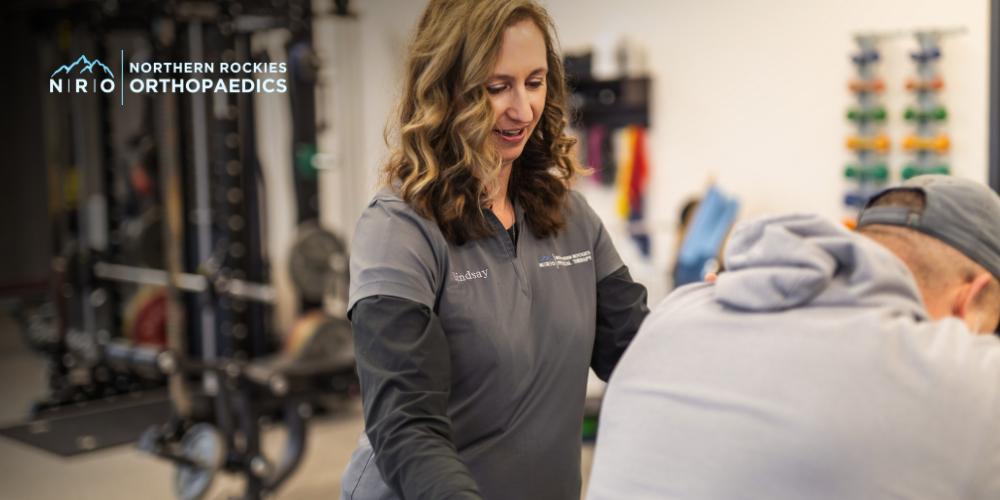
Many patients can find pain relief without the need for surgery. At NRO, we prioritize conservative care whenever possible. Depending on the causes of hip pain, our specialists may recommend a combination of targeted therapies designed to reduce joint pain, restore mobility, and support long-term recovery.
Physical Therapy
Physical therapy plays a key role in strengthening the muscles around the hip joint. A licensed physical therapist will guide you through exercises tailored to your condition, whether you’re recovering from hip injuries, managing chronic conditions, or seeking to avoid hip replacement surgery. Therapy may also address knee pain, buttock discomfort, or referred pain that can come from the lower back or pelvis.
RICE Method
For patients recovering from minor hip injuries or soft tissue irritation, we often recommend the RICE method (Rest, Ice, Compression, and Elevation). This approach helps control sudden swelling, reduces hip pain, and supports the healing of strained tendons or inflamed bursae. Patients experiencing snapping hip syndrome, trochanteric bursitis, or tendonitis may benefit from the RICE method, especially when used in combination with physical therapy and activity modification.
Anti-Inflammatory Medications
Nonsteroidal anti-inflammatory drugs (NSAIDs) often treat hip pain, especially when caused by inflammatory arthritis, bursitis, or soft tissue irritation. These medications help reduce inflammation in the hip joint, relieve swelling, and ease joint pain, allowing patients to move more comfortably. Anti-inflammatories can be especially effective when combined with other treatments like stretching, physical therapy, or injections.
Platelet-Rich Plasma (PRP) Injections
Platelet-Rich Plasma (PRP) injections use your body’s own healing cells to target painful or damaged areas of the hip joint, such as inflamed tendons, early cartilage wear, or microtears in the soft tissues. This regenerative therapy can help stimulate healing in patients with hip disorders related to overuse, stress fractures, or early arthritis.
Advanced Surgical Solutions for Hip Injuries and Disorders at Northern Rockies Orthopaedic
When non-surgical treatment options are no longer enough to relieve pain or restore mobility, our team at Northern Rockies Orthopaedic offers advanced surgical solutions for complex hip injuries and hip disorders. Whether you’re experiencing severe hip joint pain, progressive arthritis, or complications from a past procedure, our experienced orthopaedic surgeons use advanced techniques to help restore function, reduce discomfort, and improve quality of life. From minimally invasive procedures to full hip replacement, we tailor every surgical plan to meet the specific needs of each patient.
- Hip Arthroscopy: This minimally invasive procedure treats issues like labral tears, FAI, and snapping hip syndrome. Using a small camera and surgical tools, our surgeons can access the hip joint through tiny incisions to repair damaged soft tissues and remove bone spurs.
- Total Hip Replacement: For patients with advanced hip osteoarthritis, rheumatoid arthritis, or severe damage to the hip joint, a total hip replacement involves removing the damaged femoral head and hip socket and replacing them with an artificial implant.
- Partial Hip Replacement: Often used after certain types of hip fractures, a partial hip replacement replaces only the femoral head while preserving the natural hip socket. Doctors typically recommend this procedure when the socket remains intact but the thigh bone has been damaged.
- Hip Fracture Repair: Surgical hip fracture repair involves stabilizing broken bones using pins, plates, or screws. Depending on the location and severity of the fracture, this procedure can restore alignment and encourage healing while preserving the natural hip bone and joint structure.
- Revision Surgery for Failed Hip Replacements: If a previous hip replacement fails, becomes unstable, or causes persistent hip pain, revision surgery may be necessary. Our surgeons evaluate the cause of failure and carefully replace or adjust the existing artificial implant to improve function and reduce the risk of future complications.
- Computer-Assisted Hip Surgery: Using computer technology, our orthopedic surgical team can perform hip replacement procedures with increased accuracy and control. Computer-assisted hip surgery allows for personalized implant alignment, better protection of healthy bone tissue, and improved long-term outcomes, especially for patients with complex anatomy or a higher risk of implant failure.
FAQs About Hip Conditions in Missoula, Montana
Can You Have a Pinched Nerve in Your Hip?
You can have a pinched nerve in your hip, which can cause sharp pain, numbness, tingling, or a burning sensation in the hip, buttock area, or down the leg. This often happens when nearby soft tissues, such as muscles or tendons, put pressure on the nerve.
Can Hip Pain be Caused By Referred Pain from Another Area?
Hip pain can be caused by referred pain from another area, such as the lower back, spine, or pelvis. Conditions like a pinched nerve, spinal arthritis, or sacroiliac joint dysfunction can create pain that feels like it's coming from the hip joint, even when the problem starts elsewhere.
What Causes Hip Pain and Knee Pain at the Same Time?
Hip pain and knee pain at the same time can be caused by several issues, including arthritis, hip joint disorders, or a pinched nerve in the lower back. Because the hip joint, thigh bone, and knee joint are connected through shared muscles and nerves, problems in one area can lead to referred pain in the other.

Find the Right Treatment for Your Hip Pain Today with Northern Rockies Orthopaedic
If you’re experiencing hip pain, stiffness, or other symptoms that make it hard to move comfortably, the team at Northern Rockies Orthopaedic is here to help. We treat a wide range of hip conditions using both non-surgical and advanced surgical solutions to help you relieve pain, restore function, and get back to the activities you enjoy.
Whether your discomfort is due to hip arthritis, a hip injury, or a more complex hip disorder, our experienced orthopaedic surgeons in Missoula, Montana, will work with you to find the best path forward. Call us today at (406) 728-6101 or contact us online to schedule your appointment.
Patient Testimonials
Move Better. Feel Better. Perform Better.
We are committed to high quality orthopedic healthcare and implementing innovative, value-added solutions to deliver compassionate, patient-centered healthcare.