
Hip Treatments in Missoula, Montana
Specialties
Personalized Care for Hip Conditions for Patients Throughout Montana
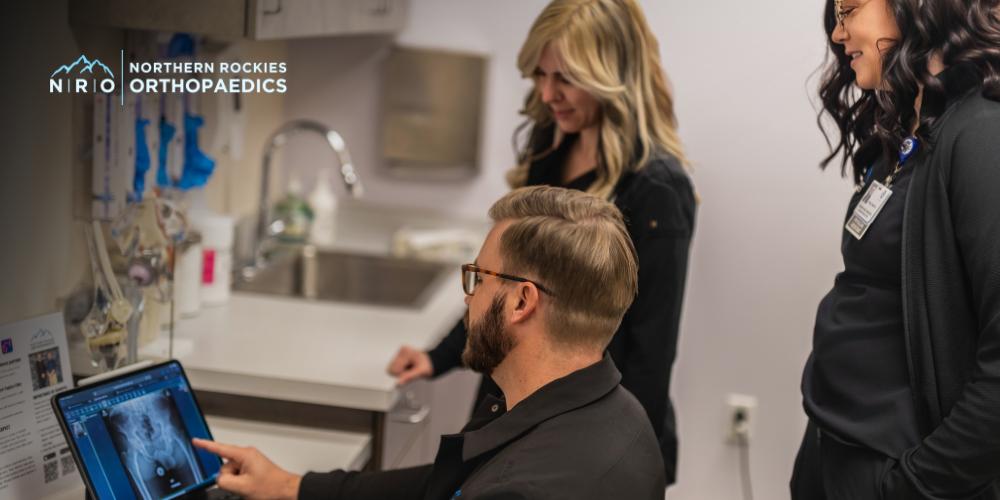
At Northern Rockies Orthopaedics, we provide comprehensive hip treatments in Missoula, Montana, to help patients manage hip pain and improve their daily lives. Our Missoula orthopedic hip specialists offer nonsurgical treatment options and advanced hip surgeries in one convenient location. From physical therapy to total hip replacement surgery, every care plan is tailored to your specific needs and diagnosis.
The experienced orthopedic surgeons at NRO use the latest technology and surgical techniques to help restore mobility, reduce pain, and enhance your quality of life. Call Northern Rockies Orthopaedics at (406) 728-6101 or reach out online to schedule your visit today.
Types of Hip Pain Treated at Northern Rockies Orthopaedics
If you’re experiencing hip pain, it’s important to understand what may be causing it. At NRO, we diagnose and treat many hip injuries and conditions that affect the hip joint, soft tissues, and surrounding bones.
Hip Arthritis
Hip arthritis often causes ongoing hip pain, especially in older adults. The most common type is hip osteoarthritis, which slowly develops as the cartilage in the hip joint wears away. This breakdown causes the bones to rub against each other. Individuals with an arthritic hip typically experience pain, stiffness, and limited mobility. They may also have trouble walking, climbing stairs, or getting restful sleep.
Depending on how much the arthritis affects your daily life, our team may recommend anti-inflammatory medications, physical therapy, hip injections, or a total hip replacement.
Hip Bursitis
Hip bursitis occurs when the small, fluid-filled sacs (bursae) that cushion the hip joint become inflamed. This can lead to sharp or aching pain on the outside of the hip, especially when walking or lying on the affected side. Common causes include overuse, injury, or muscle imbalance.
At Northern Rockies Orthopaedics, we treat hip bursitis with conservative treatments such as ice packs, anti-inflammatory medications, and physical therapy. In some cases, we may recommend corticosteroid injections to provide temporary pain relief.
Hip Fractures and Dislocations
A hip fracture is a break in the upper part of the thigh bone (femur) near the hip joint, while a dislocated hip occurs when the ball of the femur (femoral head) pops out of its socket. These injuries often result from trauma or falls, especially in older adults with low bone density or hip arthritis. Depending on the severity of the injury, hip joint replacement surgery may be necessary for successful hip fracture treatment.
Labral Tears in the Hip
The labrum is a ring of cartilage that cushions the hip socket and helps keep the femoral head in place. When the labrum is torn, it can cause sharp or catching pain in the groin or hip, as well as a feeling of instability.
Hip labral tears can affect young athletes or those with structural issues such as hip dysplasia or femoroacetabular impingement (FAI). Treatment may include activity modification, physical therapy, or hip arthroscopy to repair the torn cartilage.
Tendon Injuries
The muscles and tendons surrounding the hip help keep the joint stable and allow for smooth movement. However, tendons can become strained or torn due to overuse, sudden movements, or sports injuries. This typically causes pain, swelling, and trouble performing everyday activities.
Most tendon injuries respond well to first-line treatments like rest, ice packs, anti-inflammatory medications, and physical therapy. When the damage is more severe, minimally invasive surgery may be needed to repair the tissue and restore hip mobility.
Femoroacetabular Impingement
Femoroacetabular impingement (FAI) is a condition where extra bone grows along one or both parts of the hip joint. Because of these overgrowths, the bones don’t fit together properly. This leads to the bones rubbing together during movement, which can cause damage over time.
FAI may cause hip pain, stiffness, and limited range of motion, especially in younger patients and active individuals. Without treatment, it can lead to labral tears or early hip arthritis. Treatment options include physical therapy, anti-inflammatory medications, and, in some cases, hip arthroscopy to reshape the bone and repair damaged cartilage.
Hip Dysplasia
Hip dysplasia refers to a condition in which the hip joint does not form properly, causing the femoral head to become unstable. This condition can be present at birth or develop over time and may lead to an increased risk of hip injuries or hip arthritis. Symptoms include pain, a clicking feeling, or trouble walking.
Treatment depends on the patient’s age and how much the joint is affected. We may recommend hip preservation procedures, hip brace support, or joint replacement surgeries to provide pain relief and improve stability.
Avascular Necrosis of the Hip
Avascular necrosis of the hip happens when blood flow to the femoral head is reduced or completely cut off. Without enough blood, the bone tissue begins to weaken and die. Over time, this can cause the bone to collapse, leading to severe hip arthritis. Avascular necrosis can develop after an injury, fracture, or dislocation, but it is also linked to long-term steroid use, excessive alcohol use, or certain medical conditions that affect circulation.
Treatment options may include pain relief medications, activity modification, physical therapy, or hip preservation surgery. In advanced cases, a total hip replacement may be the best option for restoring function and reducing pain.
When to Visit a Missoula Healthcare Provider for Hip Pain
If you have ongoing hip pain that doesn’t improve with rest, or if the pain makes it hard to walk, sleep, or do everyday activities, it may be time to see a Missoula hip specialist at Northern Rockies Orthopaedics. Our experienced healthcare providers can identify the exact causes of hip pain and create a personalized treatment plan to help you feel better. Getting the right hip pain treatment early can keep the problem from getting worse and help you return to normal activities sooner.

Non-Surgical Treatments to Ease Hip Pain
At Northern Rockies Orthopaedics, we offer a variety of conservative treatments to help treat mild to moderate hip pain without surgery. These non-surgical options focus on reducing inflammation, easing discomfort, and improving mobility, allowing you to return to your regular routine.
Physical Therapy
Physical therapy is one of the most effective ways to treat hip pain and improve strength and flexibility. Our physical therapy programs are tailored to each patient’s condition and may include gentle stretches, strengthening exercises, and balance training. This conservative treatment can help reduce stiffness and improve joint function in conditions such as hip arthritis, bursitis, or femoroacetabular impingement. By targeting the muscles and tissues around the hip, physical therapy also supports long-term healing and helps prevent future injury.
Anti-Inflammatory Medications
Anti-inflammatory medications are often used to reduce pain and swelling caused by conditions like hip tendonitis, bursitis, or early arthritis. These medications work by calming the body’s inflammatory response, which helps relieve pain and improve mobility.
Hip Joint Injections
Hip joint injections can reduce inflammation in the hip joint and provide pain relief. These injections may contain corticosteroids to quickly calm inflammation or platelet-rich plasma (PRP), which uses your body’s natural healing cells to promote tissue repair.

Surgical Hip Treatments at Northern Rockies Orthopaedics
The skilled orthopaedic surgeons at NRO offer advanced surgical options to relieve hip pain when conservative treatments are no longer effective. Using tools like magnetic resonance imaging (MRI), we can accurately diagnose the problem and determine if surgery is the next appropriate step. Our goal is to restore movement, reduce pain, and help you return to the activities you enjoy.
Hip Arthroscopy
Hip arthroscopy is a minimally invasive procedure used to treat several painful hip conditions, including labral tears, femoroacetabular impingement, and hip dysplasia. During this procedure, a small camera and surgical instruments are inserted through tiny incisions to view and repair cartilage and tissues inside the hip joint. This procedure allows for quicker recovery and less scarring compared to open surgery.
Partial and Total Hip Replacement Surgery
When the hip joint is badly damaged from hip arthritis or injury, a hip replacement may offer lasting pain relief. In a partial hip replacement, the damaged femoral head is replaced, while total hip replacement involves replacing both the ball and socket of the hip joint. Our orthopaedic surgeons utilize advanced technology and surgical techniques to ensure long-lasting results, helping patients return to their normal routines.
Revision Hip Replacement
Revision hip replacement surgery is performed when a previous hip replacement has worn out, become loose, or caused complications such as infection or instability. This procedure removes the old implant and replaces it with a new one to restore joint function and relieve hip pain.
Hip Preservation Surgery
Hip preservation is an area of orthopedic surgery that treats structural problems in the hip joint before arthritis develops. The goal is to extend the life of the natural hip joint and delay or eliminate the need for joint replacement surgery. Our orthopedic surgeons use magnetic resonance imaging and other diagnostic tools to carefully assess joint health and choose the most suitable surgical approach.
Hip Fracture Repair Surgery
A hip fracture often requires surgical treatment, especially in older patients or those at high risk of complications. Depending on the location and severity of the broken bone, our orthopaedic surgeons may use metal screws, plates, or rods to stabilize the bone. If a fracture is severe, a hip replacement may be needed to fully restore comfort and mobility.

Dedicated Hip Specialists Serving Patients Across Montana
At Northern Rockies Orthopaedics, we understand how profoundly hip pain can affect your daily life, whether it stems from hip arthritis, a recent injury, or a chronic condition. That’s why our Missoula hip care team focuses on providing accurate diagnoses, recommending appropriate treatment options, and creating a care plan tailored to your needs. Your care is led by our fellowship-trained hip specialists, Daniel Whiting, MD, Jeff Frandsen, MD, Andy Chorn, PA-C, and Kendall Chrane, PA-C. From conservative treatments to advanced procedures, our goal is to help you move with ease and feel your best at any stage of life.
Searching for the Right Hip Care in Missoula? Contact Northern Rockies Orthopaedics Today
If you’re experiencing hip pain that’s making it hard to walk, sleep, or enjoy daily life, our Missoula orthopedic surgeons are here to help. At Northern Rockies Orthopaedics, we offer a comprehensive range of hip treatments to help relieve pain, improve your range of motion, and support long-term recovery.
Don’t wait to get the relief you deserve. Call (406) 728-6101 or contact us online to request an appointment today.
Patient Testimonials
Move Better. Feel Better. Perform Better.
We are committed to high quality orthopedic healthcare and implementing innovative, value-added solutions to deliver compassionate, patient-centered healthcare.