
Knee Conditions in Missoula, Montana
Specialties
Experienced Knee Surgeons Treating Knee Problems Throughout Montana
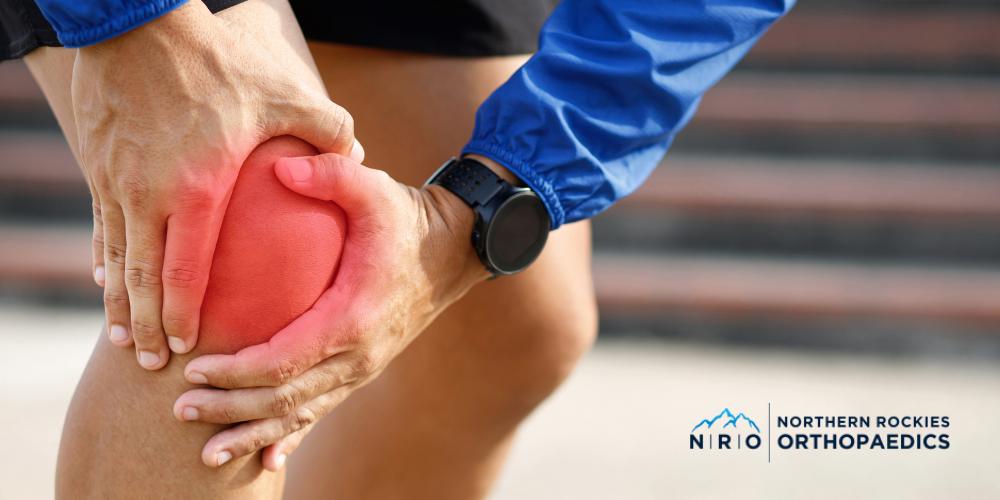
Painful knee conditions can make everyday activities difficult and frustrating. At Northern Rockies Orthopaedic in Missoula, Montana, we help patients of all ages find relief from serious knee pain. Our orthopedic specialists treat a wide range of conditions that affect how the knee joint moves and functions. Whether your pain started after a fall, a motor vehicle accident, a sports injury, or developed gradually over time, our team is here to provide an accurate diagnosis and discuss treatment options.
From chronic knee pain to traumatic knee injuries, we help you find the right treatment so you can get back to doing what you love. Call (406) 728-6101 or contact us online to schedule an appointment today.
Common Knee Conditions We Treat in Missoula, Montana
Many people in Missoula deal with knee conditions that affect their ability to move, work, or enjoy daily life. At Northern Rockies Orthopaedic, we treat a wide range of knee problems that can cause pain, swelling, and difficulty walking. Our Missoula orthopedic experts help patients understand the root cause of their symptoms and offer treatment options for everything from knee osteoarthritis to ligament tears.
Knee Osteoarthritis
Knee osteoarthritis is the most common type of arthritis that affects the knee joint. It happens when the articular cartilage, which acts as a cushion between the three bones in the knee, begins to wear down over time. As the cartilage thins, the bones rub against each other, causing swelling, stiffness, and limited movement.
This condition commonly affects older adults, but it can also occur in younger people with a history of knee injuries or repeated stress on the joint. Patients often describe a common complaint of stiffness in the morning or after resting. If left untreated, knee osteoarthritis can worsen, making it increasingly difficult to bear weight or remain active.
Rheumatoid Arthritis
Rheumatoid arthritis is an autoimmune condition that can damage the knee joint and surrounding tissues. This condition causes the body’s immune system to attack healthy connective tissue, leading to inflammation of the joint lining. Rheumatoid Arthritis can affect both knees and may also involve other joints. Symptoms include pain, swelling, warmth around the joint, and joint stiffness that lasts for hours. Because the condition is systemic, it may also cause fatigue and muscle weakness.
Patellofemoral Pain Syndrome
Patellofemoral pain syndrome is a common cause of chronic knee pain, particularly in young adults and athletes involved in jumping sports such as basketball or volleyball. This condition affects the kneecap (patella) and the groove it moves through in the thigh bone.
When the patella doesn’t track properly, it can irritate the cartilage underneath and cause pain when walking, squatting, climbing stairs, or sitting for long periods. The pain typically feels dull and is located in the front of the knee. Factors like weak leg muscles, tightness in the iliotibial band, or flat feet can increase the risk of this condition.
Bursitis
Knee bursitis occurs when one of the small fluid-filled sacs in the joint, called bursae, becomes inflamed. These sacs act as shock absorbers between bones and soft tissue, helping the knee joint move smoothly. Repeated kneeling, direct pressure, or a direct blow to the knee can irritate the bursa, leading to pain, redness, and swelling.
Tendinitis
Tendinitis happens when the tendons that connect muscles to bones become inflamed from overuse or injury. In the knee, patellar tendinitis, often called “jumper’s knee”, affects the patellar tendon connecting the kneecap to the shinbone. This condition is common among athletes and active individuals, but it can occur in anyone who puts repeated stress on the knee.
Symptoms include pain during activity, especially when jumping or running, and tenderness just below the kneecap. Risk factors include muscle imbalances, poor training habits, and other knee injuries that can alter movement patterns.
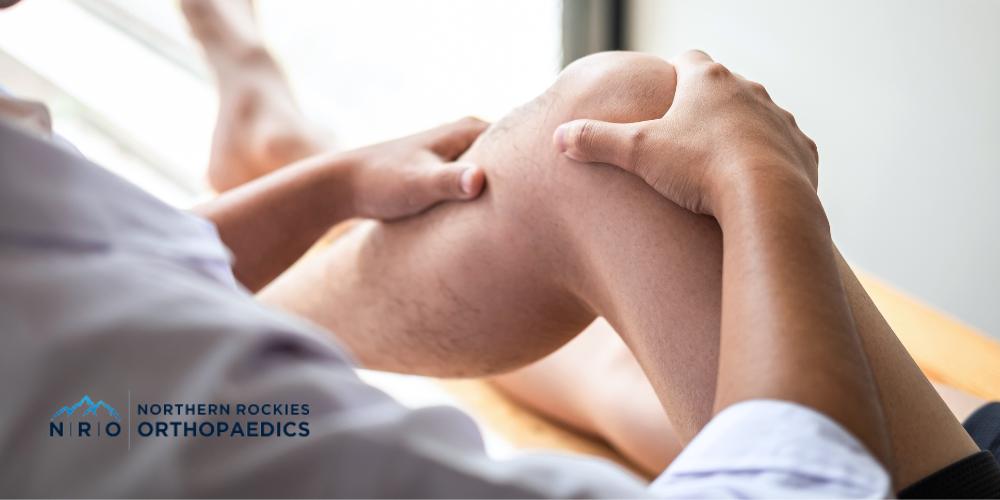
Common Knee Injuries That Can Cause Knee Pain
Knee injuries are a common cause of knee pain and swelling, often resulting from sports incidents, falls, or motor vehicle accidents. The knee joint is a complex joint where three bones meet, supported by ligaments, tendons, muscles, and cartilage. Injuries can occur when the knee is twisted, struck by a direct blow, or forced beyond its normal range of motion.
At Northern Rockies Orthopaedic, our Missoula knee surgeons frequently treat patients with knee trauma, including ligament injuries, torn meniscus, fractures, and damage to the knee cartilage.
Torn Meniscus
The meniscus is a piece of cartilage that acts as a shock absorber between the thigh bone and shinbone. Each knee has two menisci, and they help stabilize the knee joint and keep movement smooth.
A torn meniscus can occur during activities that involve twisting or turning the knee, especially when the foot is planted firmly. It’s common in young adults and athletes, but it can also happen due to wear and tear as we age. Symptoms of a meniscus tear include pain, swelling, stiffness, and a feeling of the knee “locking” or catching during movement.
ACL, MCL, and Other Ligament Tears
The knee contains several important ligaments that help keep the joint stable: the anterior cruciate ligament (ACL), medial collateral ligament (MCL), lateral collateral ligament (LCL), and posterior cruciate ligament (PCL). Injuries to these ligaments are common during sports and can occur when the knee is suddenly twisted or hyperextended.
An ACL tear is one of the most well-known and is often characterized by a popping sound, followed by instant pain and swelling. The MCL and LCL are located on the sides of the knee and are frequently injured from a direct blow or awkward landing. Treatment may involve bracing, physical therapy, or open surgery for severe tears or ligament ruptures.
Fractures and Dislocations
Fractures around the knee can involve the kneecap (patella), the end of the thigh bone, or the top of the shinbone. These injuries usually result from high-impact trauma, such as a motor vehicle accident or a hard fall. A dislocation occurs when the bones in the knee joint are forced out of their normal position, which can also damage ligaments, cartilage, and connective tissue.
Both injuries may cause immediate and severe pain, visible deformity, and an inability to bear weight on the leg. Depending on the severity, physical therapy, immobilization, or surgery may be necessary to restore alignment and support healing.
Sprains and Strains
A sprain involves stretching or tearing a ligament, while a strain refers to injury of a muscle or tendon. These types of knee injuries are very common and may occur from overuse, a sudden stop or turn, or slipping during activity. People with sprains or strains may notice pain, swelling, bruising, or tenderness around the joint.
Mild cases often respond well to nonsurgical treatments like rest, ice, and gentle stretching. More serious injuries may require bracing or guided rehabilitation to rebuild strength in the leg muscles and flexibility in the knee joint.
Cartilage Damage
The articular cartilage covers the surfaces of the three bones that form the knee and allows them to glide smoothly during movement. When this cartilage is damaged, the knee can become stiff, swollen, and painful.
Cartilage damage is a common factor of knee arthritis, but it may also result from a direct injury or years of sports activity. Because cartilage doesn’t heal easily on its own, treatment may include injections, physical therapy, or surgical options such as cartilage repair or replacement.
Recognizing Risk Factors for Chronic Knee Pain
Several factors can put you at an increased risk of developing chronic knee pain, even if you haven’t experienced a recent injury. One of the most common risk factors is age-related wear and tear. As we get older, the articular cartilage in the knee gradually wears down, leading to knee arthritis. Repetitive motions such as kneeling, climbing stairs, or squatting can also stress the ligaments, tendons, and cartilage over time.
Participating in high-impact sports or physically demanding jobs may put stress on the knee as well, increasing the likelihood of knee injuries and long-term damage. Carrying excess weight also puts more pressure on the joint, which can speed up cartilage breakdown. Lastly, if you’ve had a prior knee injury, you may have a higher chance of developing chronic pain and stiffness in the joint later on.
At Northern Rockies Orthopaedic, we help patients understand how these risk factors contribute to knee problems and offer personalized treatment options to reduce discomfort and protect the joint from further damage.
Signs and Symptoms of Knee Problems
When you’re dealing with knee pain that doesn’t go away, it may be a sign of a more serious problem within the knee joint. Recognizing the early signs of knee injuries and conditions can help you decide when to seek treatment. Some of the most common symptoms include:
- Stiffness or swelling in or around the knee
- Popping or grinding sensations when moving the knee joint
- Difficulty bending, straightening, or walking, especially after rest or activity
- Instability in the knee joint or difficulty bearing weight on the leg
If you’re noticing any of these symptoms, especially if they’re getting worse or affecting your daily life, it’s time to see one of our orthopaedic specialists in Missoula. Receiving an accurate diagnosis early on can prevent further damage and allow for more effective treatment outcomes.
Diagnosis and Imaging for Knee Conditions
To find out what’s causing your knee pain, our knee specialists begin with a thorough physical exam and a review of your medical history. We check how your knee joint moves, look for signs of swelling or instability, and ask about any past knee injuries or activities that may have contributed to your symptoms.
Depending on what we find, we may use imaging tools like X-rays, MRIs, or CT scans to get a better look at the bones and ligaments in the knee. These tools help us make an accurate diagnosis so we can recommend the best treatment for your specific knee condition.
Nonsurgical Treatments for Knee Pain at Northern Rockies Orthopaedic
At Northern Rockies Orthopaedic, we know that many knee conditions can be treated without surgery. Non-surgical treatments often help reduce knee pain, improve mobility, and may even delay or prevent the need for knee replacement. Our orthopedic team offers a range of knee treatment options in Montana to help you feel better and stay active.
Physical Therapy and Rehabilitation
Our physical therapists in Missoula create exercise programs tailored to your needs. These plans focus on strengthening the muscles around the knee, improving flexibility, and restoring balance. This type of therapy is one of the most helpful ways to ease knee pain and avoid surgery.
Medications and Injections
Anti-inflammatory medications and steroid injections can relieve swelling and pain caused by knee arthritis, ligament injuries, or other knee problems. In some cases, we use hyaluronic acid injections to add cushion and help the knee joint move more smoothly.
Platelet-Rich Plasma (PRP) Therapy
Platelet-rich plasma (PRP) therapy uses components of your own blood to help heal damaged tissues and reduce inflammation. It’s often used for tendon problems and early-stage cartilage damage, making it a good option for patients seeking to avoid surgery.
Knee Bracing and Support Devices
We may recommend braces or support devices to stabilize your knee, reduce stress on injured areas, and improve joint alignment. Our team will help you choose the right brace based on your knee condition, activity level, and goals for recovery.
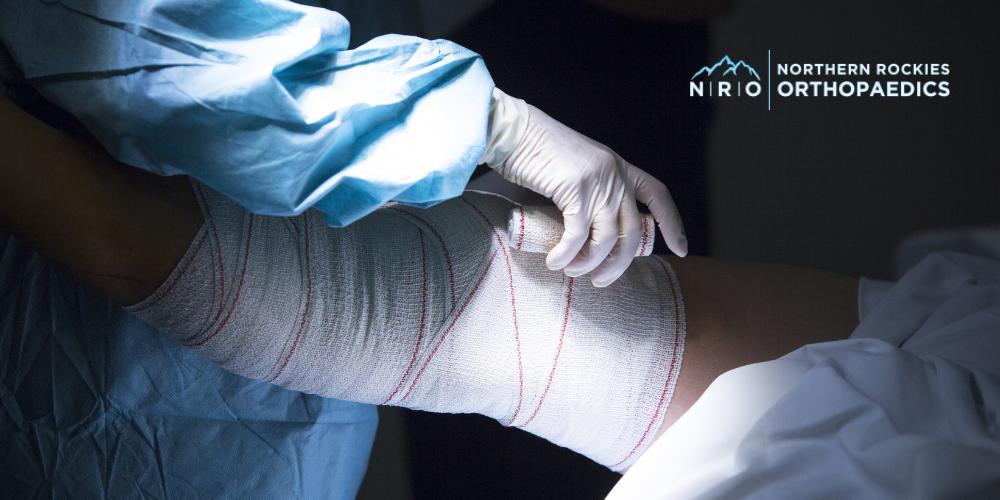
Advanced Surgical Options for Complex Knee Conditions in Montana
When conservative treatments no longer ease your knee pain, surgery may be the next option. Our orthopaedic surgeons are highly skilled in minimally invasive surgery techniques and robotic-assisted procedures. We use the most advanced tools available to perform precise, personalized knee surgeries that help restore comfort, mobility, and function.
Knee Arthroscopy
Knee arthroscopy is a minimally invasive procedure in which a small camera and specialized tools are inserted into the knee joint. It’s used to treat torn meniscus, cartilage damage, or minor ligament injuries. Because the incisions are small, recovery is usually quicker and less painful.
Ligament Reconstruction Surgery
If the anterior cruciate ligament (ACL), posterior cruciate ligament (PCL), or another knee ligament is torn, it may need to be reconstructed. Ligament reconstruction surgery uses a tissue graft to rebuild the damaged ligament and help the knee stay stable during movement.
Knee Osteotomy (Realignment Surgery)
In some cases of early knee arthritis, especially in younger patients, we can shift pressure away from the damaged part of the knee by adjusting the alignment of the bones. Knee osteotomy, also known as realignment surgery, can help reduce pain and delay the need for a full knee replacement.
Partial Knee Replacement
If only one part of the knee joint is damaged, we may recommend replacing just that portion. A partial knee replacement allows us to keep more of your natural knee and often leads to faster healing and more natural movement.
Total Knee Replacement
When arthritis or injury affects the entire knee, a total knee replacement may offer the best relief. We replace the damaged joint surfaces with an implant to reduce pain and improve mobility so that you can return to normal activities.
Revision Knee Replacement
If a previous knee replacement wears out or causes problems, revision knee replacement surgery may be needed. This involves removing the old knee implant and replacing it with a new one to restore joint function and reduce pain.
Why Missoula Patients Trust Us for Personalized Knee Pain Treatment
At Northern Rockies Orthopaedic, we take the time to understand how knee discomfort affects your daily life. Missoula patients trust us because we offer care that’s tailored to their specific knee condition, activity level, and personal goals. From knee arthritis to damage caused by past trauma, our team offers clear guidance, supportive care, and effective treatment options.

Contact Our Missoula, MT Knee Specialists at Northern Rockies Orthopaedic
If your knee pain is making everyday life harder, the team at Northern Rockies Orthopaedic is ready to help. We offer clear guidance, individualized care, and advanced treatment options for patients in Missoula and throughout Montana. Our focus is on reducing your pain, improving mobility, and helping you return to the activities you enjoy. Call (406) 728-6101 or contact us online to schedule your appointment today.