
Spine and Neck Conditions in Missoula, Montana
Specialties
Expert Care for Back, Neck, and Spine Disorders Throughout Western Montana
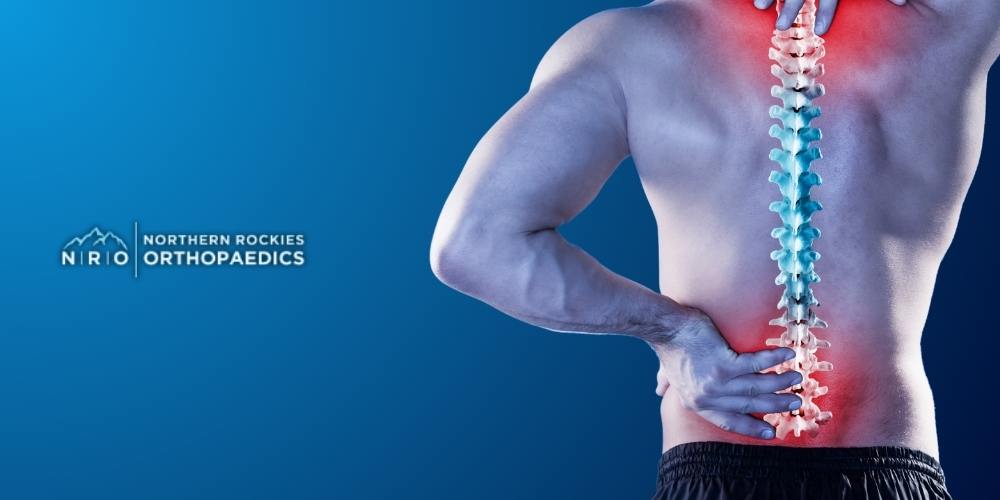
Living with back pain, neck pain, or nerve symptoms can make everyday activities feel difficult or even impossible. At Northern Rockies Orthopaedic, we specialize in diagnosing and treating a wide range of spine and neck conditions in Missoula, Montana.
Whether you’re struggling with a herniated disk, degenerative disc disease, or spinal stenosis, our experienced spine and neck doctors are here to help. We treat issues affecting the cervical spine, thoracic spine, and lumbar spine, including problems with the spinal cord, nerve roots, spinal nerves, and soft tissues of the neck region and back.
If you’re experiencing symptoms like stiffness, numbness, weakness, or pain in your upper arms, shoulders, or lower part of the body, don’t wait to get help. Contact NRO today at (406) 728-6101 or use our online contact form to schedule your consultation.
Cervical Spine (Neck Region) Conditions We Treat
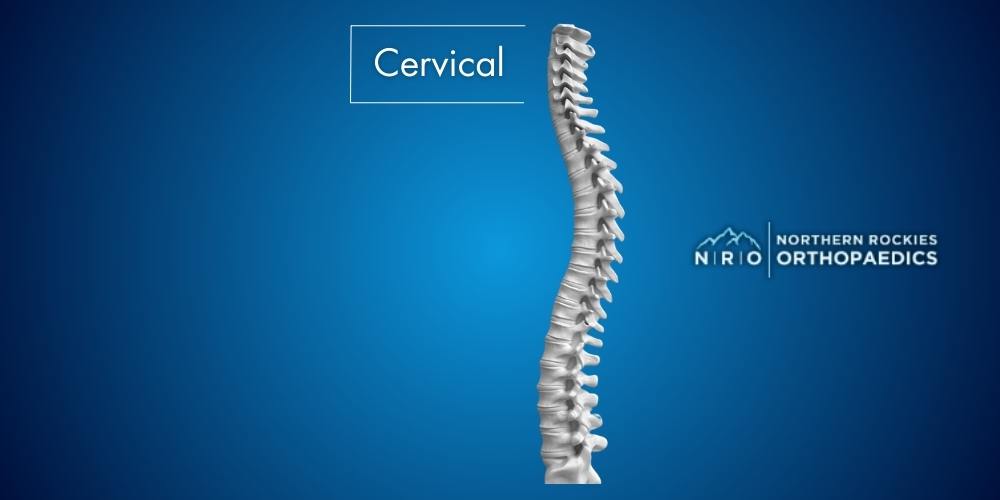
The cervical spine comprises the first seven vertebrae, which support the neck, head, and connect the spinal cord to the rest of the body. This area is especially prone to spinal conditions that can cause neck pain, stiffness, numbness, or weakness in the shoulders, arms, or upper back. Many cervical spine disorders affect the spinal canal, nerve roots, or nearby soft tissues like ligaments, tendons, and muscles.
Cervical Disc Herniation & Bulges
A herniated disk or bulging disc in the neck occurs when the inner material of a spinal disc pushes through its outer layer, often putting pressure on nearby nerve tissue. This can cause pain, tingling, or numbness in the neck, upper arms, and shoulders. Patients may also notice weakness in specific muscles if the herniation compresses the spinal cord or spinal nerves.
Cervical Radiculopathy (Pinched Nerve)
Cervical radiculopathy is caused by a pinched nerve in the neck region, often due to a slipped disc, spinal degeneration, or bone spurs. It can lead to pain, burning, or electrical sensations that travel from the neck into the shoulder, arm, or hand.
Cervical Spinal Stenosis
Spinal stenosis in the cervical spine occurs when the spinal canal narrows and presses on the spinal cord or nerves. This narrowing is often caused by degenerative disc disease, cervical spondylosis, or thickened ligaments. Common symptoms include neck pain, balance issues, numbness, or weakness in the upper or lower part of the body.
Degenerative Disc Disease (Cervical)
In the cervical spine, degenerative disc disease refers to the gradual breakdown of the discs between the vertebrae. Over time, this can lead to spinal degeneration, reduced disc height, and increased friction between bones, contributing to neck pain, stiffness, and radiating nerve symptoms.
Whiplash & Other Soft-Tissue Injuries
Sudden movements of the neck, such as those caused by car accidents or sports collisions, can lead to whiplash or other soft-tissue injuries. These injuries often affect the ligaments, muscles, and tendons in the cervical spine, resulting in symptoms like neck stiffness, headaches, and back pain.
Thoracic Spine Conditions
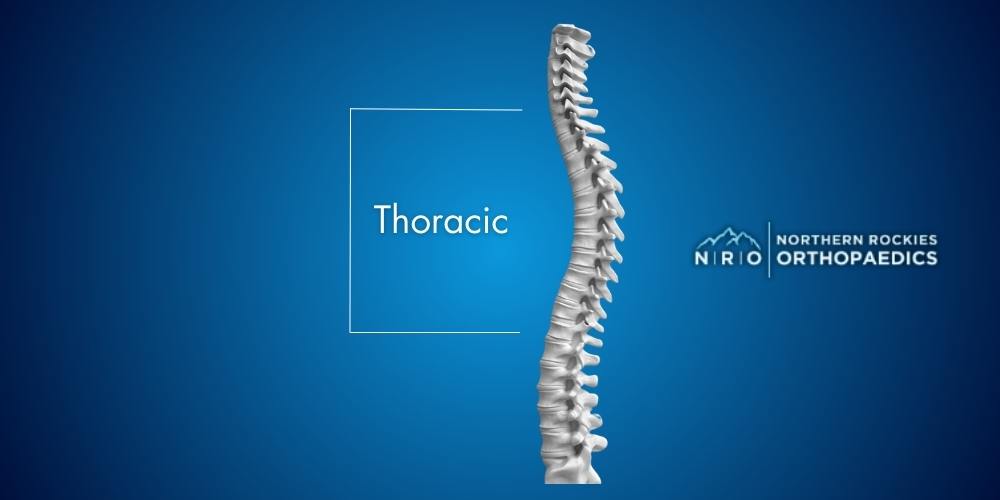
The thoracic spine makes up the middle portion of the spinal column, running from the base of the neck to the bottom of the rib cage. It is made up of twelve vertebrae that support the upper body, protect the spinal cord, and connect to the rib cage.
Although less mobile than the cervical or lumbar spine, the thoracic spine can still develop various painful spine conditions. These conditions often involve the spinal discs, bones, or nerve tissue and may be caused by injury, poor posture, spinal degeneration, or structural changes that occur over time.
Thoracic Disc Herniation
A herniated disk in the thoracic spine occurs when a disc between the vertebrae bulges or ruptures, putting pressure on the spinal cord or nerve roots. Though less common than in the cervical or lumbar regions, thoracic disc herniation can cause sharp back pain, numbness, or tingling that radiates around the rib cage or chest. Some patients also report experiencing muscle weakness or balance problems.
Excessive Kyphosis & Scheuermann’s Disease
Excessive kyphosis refers to an exaggerated forward rounding of the upper back, which can be caused by spinal conditions like Scheuermann’s disease, a disorder that affects adolescent bone growth. This condition leads to wedge-shaped vertebrae, abnormal posture, and visible rounding of the thoracic spine. In adults, it can cause chronic back pain, stiffness, and fatigue.
Compression Fractures (Traumatic & Osteoporotic)
Compression fractures in the thoracic spine may result from a traumatic injury such as a fall or car accident, or weakened bones due to osteoporosis. These fractures cause the vertebrae to collapse or lose height, leading to sudden back pain, loss of mobility, or visible curvature of the spine. In some cases, nerve symptoms may arise if fragments press on the spinal canal or spinal cord.
Adult Thoracic Scoliosis
Adult thoracic scoliosis involves abnormal sideways curvature of the spine in the thoracic region, often accompanied by spinal degeneration, stiffness, and back pain. This condition may develop during adolescence and progress in adulthood, or it may arise due to degenerative changes in the discs and joints. Symptoms may include uneven shoulders, compression of nerve tissue, and difficulty standing upright.
Lumbar Spine (Lower-Back) Conditions
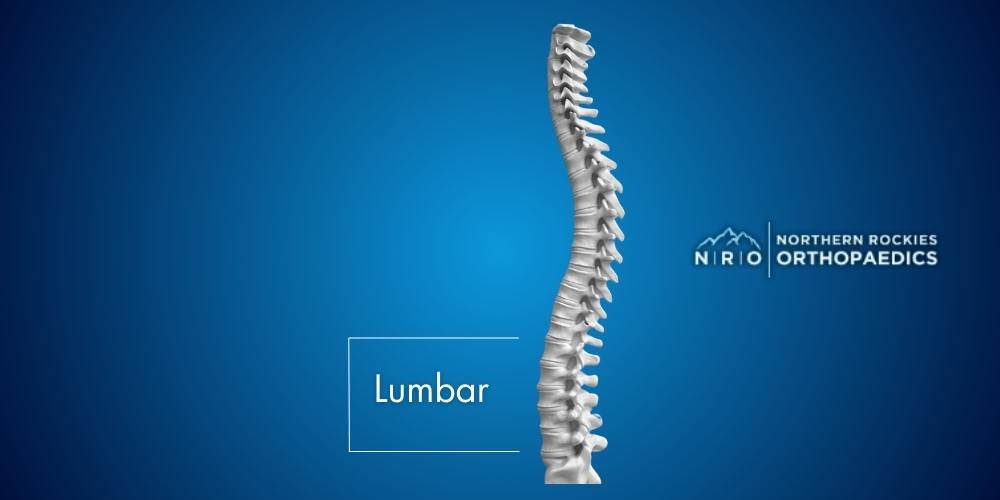
The lumbar spine, situated in the lower part of the spinal column, supports a significant portion of the body’s weight and absorbs stress from activities such as lifting, bending, and twisting. Due to this, the lumbar region is particularly susceptible to spine conditions that cause persistent back pain, muscle weakness, numbness, and other symptoms affecting the legs, hips, and pelvis. Disorders in this area can affect the spinal cord, nerve roots, and discs, resulting in reduced mobility and daily discomfort.
Lumbar Disc Herniation & Sciatica
A herniated disk in the lumbar spine can press against nearby nerve roots, leading to a condition known as sciatica. This often causes sharp, shooting pain that travels from the lower back down the leg. Some patients may also experience numbness, tingling, or muscle weakness in the affected limb. Symptoms typically result from compression of the spinal nerves or nerve tissue within the spinal canal.
Lumbar Spinal Stenosis
Spinal stenosis in the lumbar spine occurs when the spinal canal narrows and compresses the nerves in the lower back. This condition is often associated with degenerative disc disease, spinal degeneration, or thickening of the surrounding ligaments. Patients often report back pain, numbness, or cramping in the legs when standing or walking for long periods. In more severe cases, weakness and loss of coordination may occur.
Spondylolisthesis & Pars Defects
Spondylolisthesis develops when one vertebra slips forward over the one beneath it, typically due to a pars defect, a stress fracture in the small connecting portion of the vertebra. This can cause lower back pain, tight hamstrings, and even nerve compression if the shift affects nearby nerve roots. It’s a common source of spine and neck conditions in active individuals and athletes.
Degenerative Lumbar Disc Disease
In the lumbar spine, degenerative disc disease refers to the wear and tear of the discs that cushion the vertebrae. This degeneration can reduce shock absorption, leading to chronic back pain, stiffness, and occasional radiating pain into the legs. As the condition progresses, it can also cause pinched nerves, poor posture, or spinal instability.
Cauda Equina Syndrome
Cauda equina syndrome is a rare but serious spinal condition that requires immediate attention. It occurs when the nerve roots at the base of the spinal cord become severely compressed, often due to a large herniated disk, spinal tumor, or traumatic injury. This condition may cause rapid-onset lower back pain, bowel or bladder dysfunction, leg weakness, and numbness in the pelvis or upper thighs.
Spinal Deformities & Complex Spine Disorders
Certain spine conditions involve structural changes in the spinal column that can affect alignment, posture, and nerve function. These disorders may develop slowly over time due to spinal degeneration, inflammation, or aging, or they may result from past injury or surgery. Patients often experience chronic back pain, stiffness, poor posture, and neurological symptoms caused by pressure on the spinal cord or nerve roots. These conditions can affect the cervical, thoracic, or lumbar spine and may impact overall mobility, as well as the muscles and joints throughout the body.
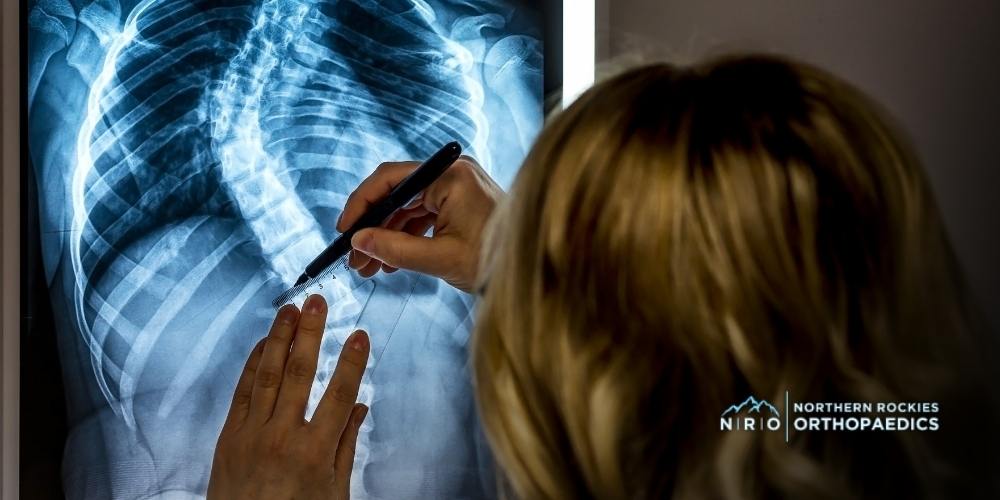
Adult Scoliosis
Adult scoliosis is a sideways curvature of the spinal column that may have begun in adolescence or developed later in life due to degenerative disc disease, spinal stenosis, or arthritis. As the curve worsens, it can lead to uneven shoulders, visible spinal deformity, chronic back pain, and even compression of nearby nerve tissue. Patients may also notice difficulty standing upright or maintaining balance.
Ankylosing Spondylitis & Inflammatory Spinal Arthritis
Ankylosing spondylitis is a form of inflammatory spinal arthritis that primarily affects the joints, ligaments, and bones of the spine, especially in the lumbar and thoracic spine. Over time, inflammation can cause sections of the spine to fuse, leading to severe stiffness, reduced flexibility, and postural changes. This condition may also cause pain in the shoulders, neck, and rib cage, as well as fatigue and symptoms that affect other parts of the body.
Post-Traumatic and Post-Surgical Deformity
Deformities can develop after a serious spinal injury, fracture, or previous spinal surgery, especially if healing does not occur properly or if hardware fails. These deformities may cause abnormal curvature, instability, or nerve compression, leading to persistent back pain, weakness, or difficulty maintaining proper posture.
Traumatic Spine & Sports-Related Injuries
Accidents, falls, and high-impact sports can cause sudden trauma to the spine, leading to painful injuries that may affect the spinal cord, vertebrae, discs, or surrounding soft tissues. These types of injuries can occur anywhere along the spinal column, from the cervical spine to the lumbar spine, and may lead to back pain, neck pain, numbness, or weakness in various parts of the body. Depending on the severity, traumatic spine conditions may involve fractures, compression, damage to nerve roots, or even long-term changes in mobility.
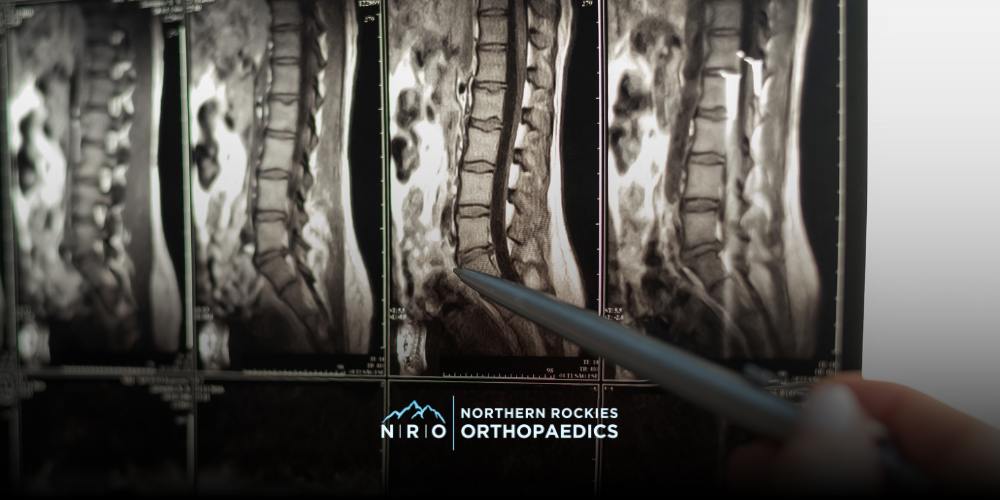
Vertebral Fractures
A vertebral fracture is a break in one of the bones that form the spinal column. These injuries often occur during car accidents, falls, or sudden impact to the back and are more common in individuals with weakened bones due to osteoporosis. Symptoms may include sudden back pain, limited mobility, or visible deformity.
In some cases, the fracture may compress the spinal cord or nerve roots, leading to neurological symptoms. Treatment may include bracing, pain relievers, or surgical procedures such as vertebroplasty to stabilize the affected vertebrae and relieve pressure on surrounding nerve tissue.
Sports-Related Cervical Sprains
Athletes involved in contact sports or high-velocity movements are at risk for cervical sprains, which occur when the ligaments, muscles, or tendons in the neck region are overstretched or torn. These injuries often result in neck pain, stiffness, and limited range of motion. In some cases, patients may experience headaches, shoulder pain, or discomfort that radiates into the upper arms.
Evaluation typically includes a review of medical history, physical exam, and imaging to rule out more serious spinal conditions. Treatment involves physical therapy, medications, and rest to support healing and prevent reinjury.
Spinal Cord Injuries
Spinal cord injuries are serious and often life-changing conditions caused by trauma that damages the spinal cord or disrupts the communication between the brain and body. These injuries may result in partial or complete loss of movement, sensation, or function below the point of injury.
Common causes include falls, car accidents, or sports injuries that compress or sever nerve tissue within the spinal canal. Symptoms vary depending on the location and severity of the damage, but may include bowel and bladder dysfunction, weakness, or paralysis.
Treatment for spinal cord injuries requires urgent medical intervention, stabilization, and a long-term treatment plan that may involve physical medicine, rehabilitation, and in some cases, surgery.
Non-Surgical Treatments for Neck and Back Pain in Missoula, Montana
Not every spine condition requires surgery. At Northern Rockies Orthopaedic, we offer a range of non-surgical treatments to help patients manage neck pain and back pain. These options focus on relieving pain, reducing inflammation, and improving function through personalized care.
After a thorough medical history review, physical exam, and necessary diagnostic tests, such as imaging or nerve conduction studies, our team will create a tailored treatment plan to address your unique needs. Whether your symptoms involve the cervical spine, thoracic spine, or lumbar spine, our goal is to ease discomfort and help you return to your everyday activities without the need for invasive procedures.

Surgical Solutions for Spine and Neck Conditions at Northern Rockies Orthopaedic
When non-surgical treatments are no longer effective, spine surgery may be necessary to correct structural issues, remove damaged discs, or relieve pressure on the spinal cord and nerve roots. Conditions such as severe spinal stenosis, herniated disks, degenerative disc disease, or post-traumatic deformities may require surgical care to restore mobility and reduce chronic neck pain, back pain, or neurological symptoms.
Our Missoula spine and neck surgical team utilizes advanced technology and techniques to ensure precise and safe procedures tailored to the affected area of the cervical, thoracic, or lumbar spine. Every treatment plan is tailored to your individual medical history, current symptoms, and the results of diagnostic tests and a comprehensive physical examination.
Minimally Invasive Procedures
Minimally invasive spine surgery uses small incisions and advanced tools to treat spinal conditions with less trauma to surrounding muscles, ligaments, and soft tissues. These procedures are often used for treating herniated disks, slipped discs, and certain types of spinal stenosis or pinched nerves.
With guidance from intraoperative imaging and navigation, surgeons can access the affected area of the spinal column while preserving healthy nerve tissue and reducing the risk of complications.
Advanced Spine Surgery Options
For more complex spine and neck conditions, we offer a range of advanced surgical procedures, including spinal fusions, disc replacements, deformity corrections, and spinal cord decompression. These techniques are used to treat ankylosing spondylitis, adult scoliosis, vertebral fractures, and other severe spinal disorders that impact the alignment and stability of the spine.
Depending on the case, our Missoula neck and spine surgeons may use instrumentation such as rods, screws, or cages to support the bones and joints of the spinal column. Each surgery is carefully planned to relieve pressure on the nerves, correct alignment, and help patients regain mobility and function.
Don’t Let Neck Pain or Back Pain Limit You Any Longer. Contact Northern Rockies Orthopaedic Today.
If you’re struggling with neck pain, back pain, or other symptoms related to spine and neck conditions, the team at Northern Rockies Orthopaedic is here to help. Our orthopedic specialists in Missoula, Montana, are dedicated to alleviating your pain, restoring your mobility, and helping you return to doing what you love. Call us today at (406) 728-6101 or complete our online contact form to schedule a consultation.
Patient Testimonials
Move Better. Feel Better. Perform Better.
We are committed to high quality orthopedic healthcare and implementing innovative, value-added solutions to deliver compassionate, patient-centered healthcare.