
Shoulder Impingement Syndrome Missoula, MT
Specialties
Specialized Care for Shoulder Impingement Syndrome in Western Montana

Shoulder impingement syndrome can cause persistent pain and limit your ability to lift or move your arm comfortably. Without proper care, the condition can worsen and lead to rotator cuff damage. Recognizing symptoms early and seeking treatment can help protect shoulder strength, mobility, and long-term function.
The shoulder surgeons at Northern Rockies Orthopaedics in Missoula, Montana, diagnose and treat shoulder impingement and related shoulder problems using advanced imaging, targeted therapies, and both non-surgical and surgical options. We tailor every treatment plan to your unique anatomy, activity level, and goals, focusing on relieving pain and restoring natural movement.
Don’t let shoulder pain interfere with your work, hobbies, or daily routine. Schedule an evaluation with our Missoula shoulder specialists today. Call (406) 728-6101 or contact us online to start your path toward better shoulder health.
What Is Shoulder Impingement Syndrome?
Shoulder impingement syndrome develops when the rotator cuff tendons and subacromial bursa become pinched between the humeral head (upper arm bone) and the acromion (part of the shoulder blade). This compression reduces the subacromial space, restricting the normal gliding of soft-tissue structures within the shoulder joint. Repetitive arm-overhead activities cause the rotator cuff muscles to swell and press against the surrounding shoulder bones, leading to progressive irritation and damage.
Inflammation in the shoulder joint triggers rotator cuff tendinitis, further narrowing the already limited subacromial space and intensifying pain. The inflamed rotator cuff tendons thicken and become less flexible, creating a cycle in which movement causes greater compression and irritation. This inflammatory response affects the subacromial bursa, a fluid-filled sac that cushions the rotator cuff, reducing its ability to protect the soft tissues. Chronic inflammation can progress to rotator cuff tendinopathy and, if left untreated, may eventually lead to a rotator cuff tear.
The most common causes of shoulder impingement syndrome include repetitive overhead motions, bone spurs on the acromion, and age-related changes in shoulder anatomy. Athletes who participate in swimming, baseball, and tennis frequently develop swimmer’s shoulder or other forms of subacromial impingement due to constant shoulder abduction and overhead arm positioning.
Poor posture, shoulder girdle muscle imbalances, and structural abnormalities, such as a hooked acromion, also contribute to the development of shoulder impingement. Sports injuries, degenerative changes, and repetitive lifting can narrow the subacromial space, creating conditions in which the supraspinatus tendon and other rotator cuff structures become compressed against the top outer edge of the shoulder blade.

Common Symptoms of Shoulder Impingement Syndrome
Patients with shoulder impingement syndrome experience pain when lifting the arm overhead, particularly during shoulder abduction between 60 and 120 degrees. The affected shoulder typically demonstrates reduced range of motion, weakness in the rotator cuff muscles, and difficulty reaching behind the back or overhead.
Nighttime pain often disrupts sleep, especially when lying on the affected side, and many patients report a catching or clicking sensation in the shoulder joint. Other symptoms include tenderness at the outer edge of the shoulder, pain radiating down the upper arm, and increasing discomfort with repetitive activities that were previously manageable without obvious cause for concern.
Shoulder Impingement Risk Factors
Several factors increase the risk of shoulder impingement, including occupations or activities that require frequent overhead arm positioning and repetitive shoulder movements. Age-related changes in shoulder anatomy, prior shoulder injuries, and poor posture contribute to narrowing of the subacromial space and compression of soft-tissue structures.
Athletes participating in swimming, baseball, tennis, and other overhead sports face an elevated risk of shoulder impingement due to repetitive stress on the rotator cuff tendons.
Structural abnormalities such as bone spurs on the acromion or coracoid process, muscle imbalances in the shoulder muscles, and inadequate conditioning also predispose individuals to subacromial impingement syndrome.
How to Diagnose Shoulder Impingement in Missoula, Montana
The orthopedic surgeons at Northern Rockies Orthopaedics diagnose a range of shoulder conditions in Missoula, including shoulder impingement syndrome. We start with a comprehensive physical examination that evaluates the patient’s arm strength, range of motion, and pain patterns during specific movements. Our shoulder specialists perform targeted tests to assess rotator cuff function and identify areas of tenderness along the shoulder bones and soft tissues, while carefully listening to the patient describe their symptoms and activity limitations.
Imaging tests, including X-rays, ultrasound, or MRI scans, help visualize the subacromial space, detect bone spurs, identify rotator cuff tears, and rule out other shoulder pathology. In some cases, the provider may inject a local anesthetic into the subacromial bursa to diagnose shoulder impingement based on whether the injection provides temporary pain relief, confirming that the subacromial space is the source of the patient’s discomfort.

Non-Surgical Treatments for Shoulder Impingement Syndrome
Most patients with shoulder impingement syndrome respond well to conservative treatment approaches that focus on reducing inflammation and restoring proper shoulder mechanics. Northern Rockies Orthopaedics prioritizes non-surgical interventions to relieve pain and improve function before considering surgical treatment options. Our Missoula shoulder treatments combine rest, activity modification, anti-inflammatory medications, physical therapy, and targeted injections to address the underlying causes of impingement syndrome.
Physical Therapy
A skilled physical therapist designs individualized exercise programs that strengthen the rotator cuff muscles, improve shoulder blade stability, and restore normal range of motion in the glenohumeral joint. Physical therapy addresses muscle imbalances and poor mechanics that contribute to subacromial impingement, teaching patients proper movement patterns to prevent shoulder impingement from recurring.
Treatment includes shoulder strengthening exercises, stretching techniques, manual therapy, and postural training to optimize the subacromial space and reduce compression of the rotator cuff tendons. Regular sessions with a physical therapist help patients gradually return to their normal activities while minimizing the risk of re-injury to the affected shoulder.
Shoulder Injections
Corticosteroid injections deliver powerful anti-inflammatory medication directly into the subacromial bursa to rapidly reduce shoulder pain and swelling. These cortisone injections provide significant pain relief, enabling patients to participate more effectively in physical therapy exercises and restore shoulder function. The injection combines a local anesthetic for immediate relief with a corticosteroid that continues to reduce inflammation for several weeks or months. While shoulder injections effectively manage symptoms and can help patients avoid surgery, orthopedic surgeons typically limit their frequency and use them as part of a comprehensive conservative
Shoulder Impingement Surgery at Northern Rockies Orthopaedics
When conservative treatments fail to relieve pain after several months, shoulder impingement surgery may become necessary to create more space for the rotator cuff tendons and restore normal shoulder function.
Subacromial decompression remains the most common surgical procedure, in which the surgeon removes bone spurs and shaves a small portion of the acromion to enlarge the subacromial space and prevent continued compression of soft-tissue structures. Surgeons may also address damaged portions of the subacromial bursa, repair any rotator cuff tears discovered during the procedure, and smooth the undersurface of the acromioclavicular joint if it contributes to impingement.
Additional procedures might include biceps tendon treatment if internal impingement or external impingement involves this structure, with the specific surgical approach tailored to each patient’s unique shoulder anatomy and pathology.
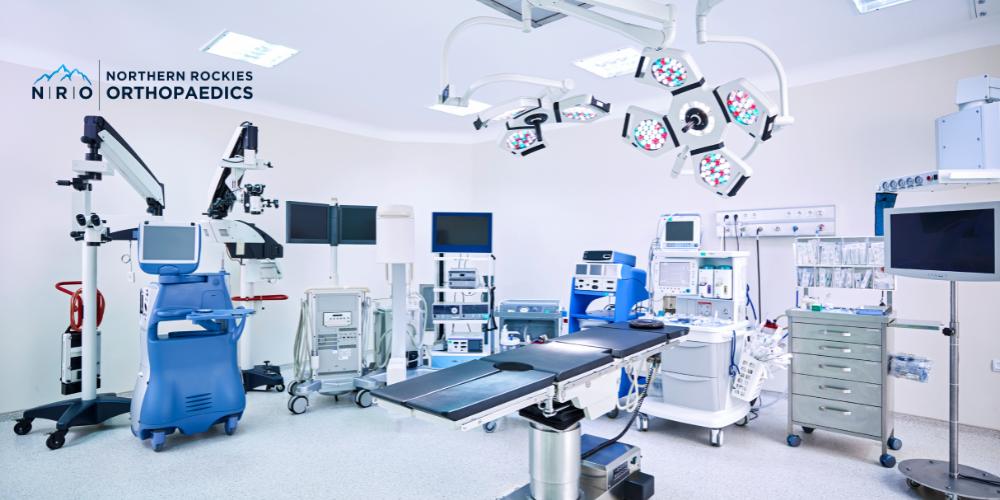
Our shoulder surgeons in Missoula, Montana, utilize advanced arthroscopic techniques to perform shoulder impingement surgery through small incisions using a tiny camera and specialized instruments. This surgical approach reduces surgical trauma to surrounding tissues, minimizes scarring, and allows better visualization of the entire shoulder joint than traditional open surgery. The minimally invasive procedure typically results in less postoperative pain, reduced risk of complications, and faster return to daily activities compared to conventional surgical methods.
Recovery from shoulder impingement surgery typically begins with a brief period of rest followed by gradual progression through physical therapy to restore strength and range of motion in the affected shoulder. Most patients start gentle passive exercises within days of surgery, then advance to active movements and strengthening exercises over the following weeks under their physical therapist’s guidance. Full recovery generally takes three to six months, with many patients experiencing significant pain reduction within the first few weeks and progressive improvement in function throughout the rehabilitation process.
Northern Rockies Orthopaedics provides comprehensive postoperative care and works closely with physical therapists to ensure each patient achieves the best possible outcome and can safely return to work, sports, and recreational activities.
Shoulder Impingement FAQs
What is the Difference Between Shoulder Impingement and Rotator Cuff Impingement?
The terms shoulder impingement and rotator cuff impingement describe the same condition, where the rotator cuff tendons become compressed in the subacromial space. Both terms refer to subacromial impingement syndrome, the most common form of impingement in the shoulder joint.
How to Prevent Shoulder Impingement?
Maintaining proper posture, performing regular shoulder-strengthening exercises, and avoiding repetitive overhead arm movements help prevent shoulder impingement. Taking breaks during overhead work and addressing muscle imbalances early help reduce the risk of shoulder impingement syndrome.
How to Fix Shoulder Impingement at Home?
Rest the affected shoulder, apply ice to reduce inflammation, and take nonsteroidal anti-inflammatory drugs (NSAIDs) as directed to manage pain at home. Gentle range of motion exercises and avoiding activities that cause pain can help, but patients should consult orthopedic surgeons for proper diagnosis and treatment guidance.
How Long Does Shoulder Impingement Last?
Mild cases of shoulder impingement syndrome may resolve within a few weeks with rest and conservative treatment, while more severe cases can persist for several months. Untreated impingement syndrome can become chronic and potentially lead to rotator cuff tears or permanent damage to soft tissues.

Schedule an Appointment With the Missoula Shoulder Specialists at Northern Rockies Orthopaedics Today
Northern Rockies Orthopaedics offers unmatched expertise in diagnosing and treating shoulder impingement syndrome, utilizing the latest diagnostic tools and treatment approaches to relieve pain and restore function. Our orthopedic surgeons have extensive experience in managing all forms of shoulder pathology, from conservative care to advanced surgical techniques, ensuring that each patient receives personalized treatment tailored to their specific condition. We combine comprehensive physical examination, state-of-the-art imaging tests, and evidence-based protocols to accurately diagnose shoulder impingement and develop effective treatment plans that address both symptoms and underlying causes.
Don’t let shoulder pain limit your life any longer. Schedule an appointment with our experienced shoulder specialists to start your recovery journey. Our team will assess your condition, explain your treatment options, and collaborate with you to create a personalized plan that aligns with your lifestyle and goals. Contact Northern Rockies Orthopaedics today at (406) 728-6101 or visit us online to take the first step toward relieving your shoulder pain and regaining full function.
Patient Testimonials
Move Better. Feel Better. Perform Better.
We are committed to high quality orthopedic healthcare and implementing innovative, value-added solutions to deliver compassionate, patient-centered healthcare.