
Ankle Arthroscopy in Missoula, Montana
Specialties
Expert Ankle Arthroscopy at Northern Rockies Orthopaedics in Missoula, MT

Ankle arthroscopy in Missoula, Montana, at Northern Rockies Orthopaedics gives patients access to experienced orthopedic surgeons who use this minimally invasive surgery to diagnose and treat ankle joint pain, injuries, and various ankle disorders. Using a tiny camera and specialized surgical instruments, our team can identify and address problems inside the ankle joint with far less disruption than traditional open ankle surgery.
If ankle pain is affecting your daily life, call Northern Rockies Orthopaedics at 406-728-6101 or use our online contact form to schedule a consultation.
Ankle Arthroscopy Explained
Ankle arthroscopy is a minimally invasive surgical procedure in which a surgeon inserts a small device called an arthroscope, a flexible tube equipped with a light and video camera, through tiny incisions in the ankle area to examine the tissues inside the ankle joint. The live images transmitted by this tiny camera allow the surgeon to assess damaged cartilage, scar tissue, loose bodies, and torn ligaments without the need for open surgery.
Compared to traditional open ankle surgery, ankle arthroscopy uses small incisions that result in less soft tissue trauma, a lower risk of complications, and a faster recovery. Our foot and ankle treatments in Missoula, Montana, include ankle arthroscopy among a range of surgical and nonsurgical options designed to address undiagnosed ankle pain, reduce discomfort, and restore function.
Ankle Conditions Treated With Arthroscopic Ankle Surgery

Ankle arthroscopy treats a wide range of foot and ankle conditions in Missoula, MT, including problems affecting the tibiotalar joint, subtalar joint, and surrounding structures of the leg and ankle area. Our surgeons typically recommend this minimally invasive surgical procedure when conservative treatments have failed to reduce pain or restore normal ankle function.
The goal of arthroscopic ankle surgery is to address the underlying cause of ankle pain, improve mobility, and help patients return to their daily activities as quickly as possible. Below are some of the most common conditions our team surgically treats using this approach.
Ankle Arthritis
Foot and ankle arthritis in Missoula, Montana, causes progressive pain, stiffness, and inflammation inside the ankle joint as cartilage breaks down over time. During ankle arthroscopy, surgeons can remove inflamed tissue, loose fragments, and bone spurs that contribute to discomfort and restricted movement in the tibiotalar joint.
This minimally invasive approach reduces irritation in the joint without the extensive recovery associated with open surgery. Patients often experience meaningful symptom relief and improved ankle function following the procedure.
Cartilage Damage in Ankle Joint
Damaged cartilage in the ankle joint can cause significant pain, swelling, and dysfunction that limit a patient’s ability to bear weight and move comfortably. During arthroscopic ankle surgery, surgeons use small surgical tools inserted through other tiny incisions to smooth rough cartilage surfaces or repair areas of cartilage damage.
Addressing damaged cartilage early helps prevent further deterioration of the ankle joint and reduces the likelihood of developing more serious ankle disorders down the road. This minimally invasive approach promotes healing while preserving as much healthy tissue as possible throughout the healing process.
Ankle Impingement
Ankle impingement occurs when soft tissue or bony structures become trapped inside the ankle joint during movement, causing patients to feel pain, swelling, and limited motion in the ankle area. Scar tissue or inflamed soft tissue that builds up after an ankle fracture or repeated ankle sprains is a common source of impingement.
Using an arthroscope and surgical instruments, surgeons remove the problematic tissue through tiny incisions to relieve pressure and restore normal movement. Patients treated with this keyhole surgery approach typically experience faster recovery and improved mobility compared to those who undergo open ankle surgery.
Ankle Ligament Injury
Ligament tears and other ligament injuries commonly result from sports activities, falls, or severe ankle sprains that stretch or rupture the connective tissues stabilizing the ankle joint. When ligament tears do not heal adequately with conservative care, ankle arthroscopy allows surgeons to repair or remove damaged tissue with precision through small incisions.
The minimally invasive nature of this surgical procedure reduces soft tissue trauma around the medial malleolus and lateral malleolus compared to open surgery, supporting a smoother recovery. Restoring ligament integrity helps patients regain ankle strength, stability, and confidence in their movement.
Chronic Ankle Instability
Chronic ankle instability develops when repeated ankle sprains cause persistent looseness in the ankle joint, increasing the risk of future injury and making it difficult to maintain balance. Arthroscopic ankle surgery allows surgeons to evaluate and address the underlying structural problems contributing to instability, including scar tissue buildup or damage to the peroneal tendons.
By repairing the tissues inside the ankle joint through tiny incisions, surgeons restore stability and reduce the likelihood of reinjury. Patients with chronic ankle instability benefit from the shorter recovery time and fewer complications associated with this minimally invasive approach.
Benefits of Minimally Invasive Arthroscopic Ankle Surgery

Ankle arthroscopy offers several important advantages over traditional open ankle surgery for patients dealing with ankle pain and ankle disorders. Smaller incisions mean less soft tissue trauma to the leg and ankle area, which typically translates to less pain after surgery and a reduced need for prescribed pain medication during recovery.
The risk of complications such as infection, blood clots, neurovascular injury, and compartment syndrome is generally lower with this minimally invasive surgical procedure compared to open surgery. Patients also experience a faster recovery and return to normal activities more quickly than those who undergo open ankle surgery.
How Is Ankle Arthroscopy Performed?
During ankle arthroscopy, the patient may receive regional anesthesia or general anesthesia depending on the complexity of the surgical procedure and the surgeon’s recommendations. The surgeon makes tiny incisions in the ankle area and inserts the arthroscope, a flexible tube with a light and video camera, into the ankle joint to examine structures such as the tibiotalar joint, subtalar joint, and surrounding tissues inside.
A sterile solution is used to expand the ankle joint and improve visibility while the surgeon uses surgical instruments through other tiny incisions to repair or remove damaged tissue, loose bodies, or scar tissue. Our foot and ankle specialists in Missoula, Montana, take care to protect nearby structures such as the superficial peroneal nerve, dorsal pedis artery, and blood vessels throughout every procedure.
What to Expect After Arthroscopic Ankle Surgery
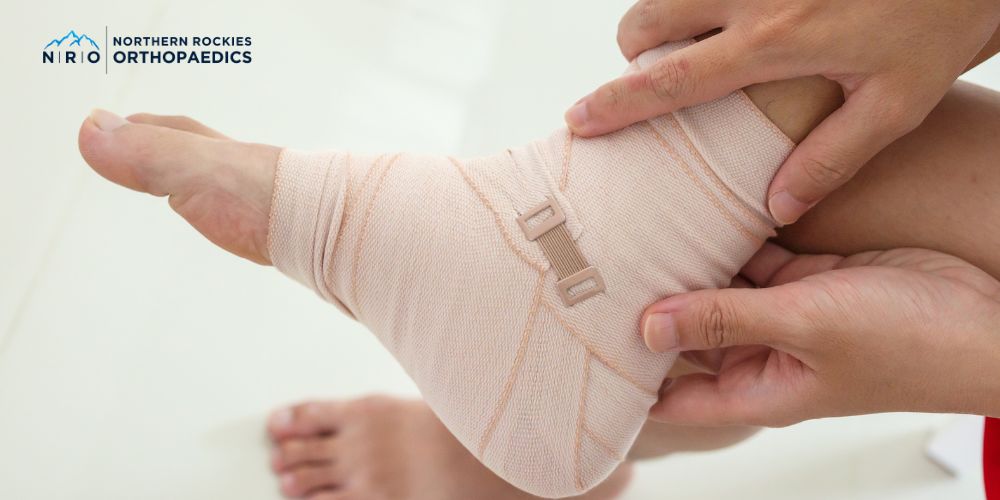
After ankle arthroscopy, patients are moved to a recovery room where they are monitored before being discharged, as this is typically an outpatient surgical procedure. Normal post-surgical symptoms include swelling, soreness, and limited mobility in the ankle area, and following your surgeon’s post-surgical care instructions, including ankle and ice application, plays an important role in managing discomfort.
Most patients can begin walking with support within a few weeks, though the exact timeline depends on the condition treated and how well the healing process progresses. Physical therapy is commonly recommended to restore strength, flexibility, and movement, and follow-up appointments allow your surgeon to monitor your recovery and address any potential complications.
Ankle Arthroscopy FAQs
Is minimally invasive surgery less painful than traditional ankle surgery?
Minimally invasive surgery typically causes less pain than open ankle surgery because smaller incisions result in significantly less soft tissue trauma to the leg and ankle area. Patients often require less pain medication during recovery compared to those who undergo open surgery. The reduced disruption to surrounding tissues supports a more comfortable healing process and a faster return to daily activities.
Will I need physical therapy as part of my post surgical care?
Physical therapy is commonly recommended following ankle arthroscopy to help patients fully restore strength, flexibility, and movement in the ankle joint. A physical therapist will guide patients through targeted exercises designed to support the healing process and reduce swelling in the ankle area. Completing a structured physical therapy program is essential for achieving the best possible outcomes after this surgical procedure.
How soon can I walk after an arthroscopic ankle surgical procedure?
The timeline for walking after ankle arthroscopy varies depending on the specific condition treated and the complexity of the repair performed. Some patients are able to bear weight with support relatively soon after surgery, while others may require a longer period of limited activity to protect the surgical site. Your surgeon will provide clear guidance on safe weight-bearing activity based on your individual recovery progress.
When can I return to work after ankle arthroscopy?
Recovery timelines after ankle arthroscopy depend on the nature of your job and how well your healing process advances in the first few weeks. Patients with sedentary jobs may return to work sooner than those in physically demanding roles that require prolonged standing or walking. Your surgeon will provide personalized recommendations and advise you to follow all post-surgical care instructions to support a safe and timely return to work.
Contact The Orthopedic Ankle Surgeons at NRO for Ankle Arthroscopy in Missoula, Montana

The orthopedic surgeons at Northern Rockies Orthopaedics bring extensive experience in ankle arthroscopy and ankle surgery to patients throughout Missoula, Montana, and the surrounding region. Early treatment of ankle pain and ankle joint damage can prevent conditions from progressing and reduce the need for more extensive surgical procedures down the road. Our team develops personalized treatment plans that prioritize minimally invasive surgical options tailored to each patient’s specific needs and goals. Do not delay care if you are experiencing ankle pain, instability, or other ankle disorders.
Contact Northern Rockies Orthopaedics today by calling 406-728-6101 or submitting our online contact form to schedule an ankle arthroscopy consultation in Missoula, Montana.
Patient Testimonials
Move Better. Feel Better. Perform Better.
We are committed to high quality orthopedic healthcare and implementing innovative, value-added solutions to deliver compassionate, patient-centered healthcare.