
Elbow Arthritis Missoula, MT
Specialties
Missoula Elbow Specialists at Northern Rockies Orthopaedics Providing Elbow Arthritis Pain Relief
Northern Rockies Orthopaedics provides comprehensive treatment for elbow arthritis in Missoula, MT. If you’re experiencing persistent elbow pain that keeps you from doing the things you love, such as working, enjoying outdoor activities, or simply getting through your day, our orthopedic elbow specialists can help you find relief. At NRO, we understand that every case is different. Some patients come to us with early-stage osteoarthritis and mild discomfort, while others are dealing with advanced rheumatoid arthritis that significantly impacts their quality of life. Whatever you’re facing, we’ll work with you to create a treatment plan that makes sense for your situation, from conservative options to surgical solutions when needed.
Schedule an appointment with our elbow surgeons in Missoula, Montana, by calling our office at (406) 728-6101 or visiting our contact page to discuss your treatment options.
What Is Elbow Arthritis?
Elbow arthritis develops when the protective cartilage covering the bones in the elbow joint breaks down, leading to pain, stiffness, and inflammation. As cartilage damage progresses, bones begin to rub against each other, creating rough surfaces that cause discomfort and a limited range of motion.
The elbow joint consists of three bones: the humerus (upper arm bone), radius, and ulna. Arthritis can affect any of the surfaces where these bones meet. Without treatment, this chronic condition typically worsens over time, with symptoms developing gradually and becoming more severe as the condition progresses.
Why Arthritis Develops in the Elbow Joint
Wear and tear on the elbow joint accumulates over years of use, breaking down cartilage that normally cushions the bones and allows smooth movement. Inflammation damages the protective tissue lining the joint space, accelerating degeneration and causing the body’s immune system to attack healthy joint structures in some forms of arthritis.
Previous elbow injuries, including fractures, dislocations, or ligament tears, can alter joint mechanics and create conditions that promote arthritis development years later. Autoimmune diseases cause the immune system to attack joint tissue, while repetitive elbow movements from work or sports can overwhelm the joint’s ability to withstand stress.
Types of Elbow Arthritis
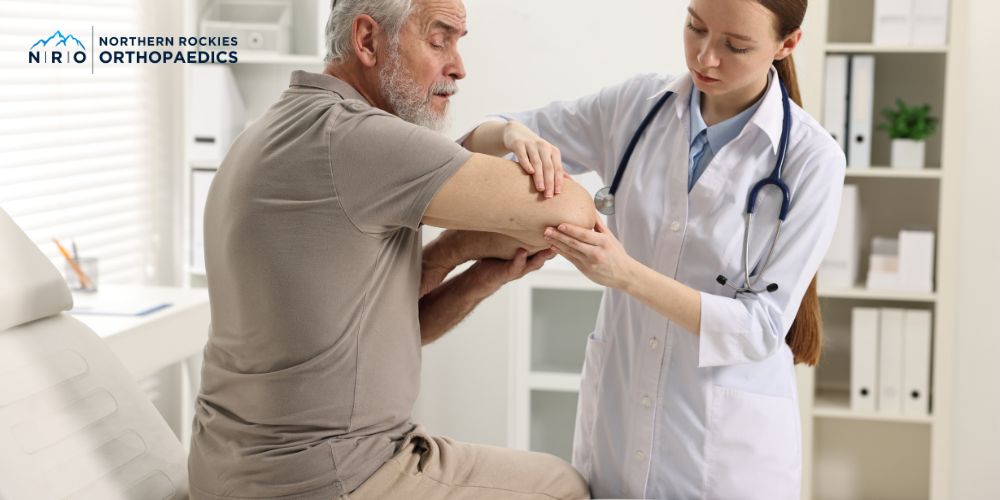
Multiple forms of arthritis can affect the elbow joint, each with distinct root causes and progression patterns. Understanding which type of arthritis you have helps our specialists develop the most effective treatment plan for your condition.
Northern Rockies Orthopaedics diagnoses and treats a range of elbow conditions in Missoula, MT, including various forms of arthritis affecting the elbow joint. Early diagnosis allows for preventive measures that may slow progression and preserve joint function.
Elbow Osteoarthritis
Elbow osteoarthritis results from gradual cartilage wear in the elbow joint, often linked to aging, repetitive use, or previous injuries. This degenerative condition commonly affects people who perform repetitive elbow movements through their work or athletic activities.
Patients typically experience stiffness and pain with movement that worsens during activity and improves with rest in the early stages. According to the American Academy of Orthopaedic Surgeons, osteoarthritis of the elbow may also cause bone spurs and loose bodies within the joint as it advances.
Rheumatoid Arthritis Elbow
Rheumatoid arthritis is an autoimmune disease where the body’s immune system attacks the synovial lining of joints, causing chronic inflammation and progressive damage. This condition often affects both elbows simultaneously, distinguishing it from osteoarthritis, which may develop in just one elbow.
Patients experience swelling, warmth, persistent elbow pain, and morning stiffness that improves with movement throughout the day. Without proper medical care, rheumatoid arthritis can lead to severe joint damage, deformity, and significant functional limitations.
Post Traumatic Arthritis of the Elbow
Post-traumatic arthritis develops after fractures, dislocations, or severe ligament injuries disrupt the normal alignment and mechanics of the elbow joint. This type of arthritis may appear months or even years after the original injury, as altered joint mechanics accelerate degeneration.
People often report persistent elbow pain, decreased range of motion, and popping sounds during movement related to their previous trauma. Even with successful initial treatment of the injury, damaged tissue and altered biomechanics can set the stage for arthritis development later in life.
Common Elbow Arthritis Symptoms
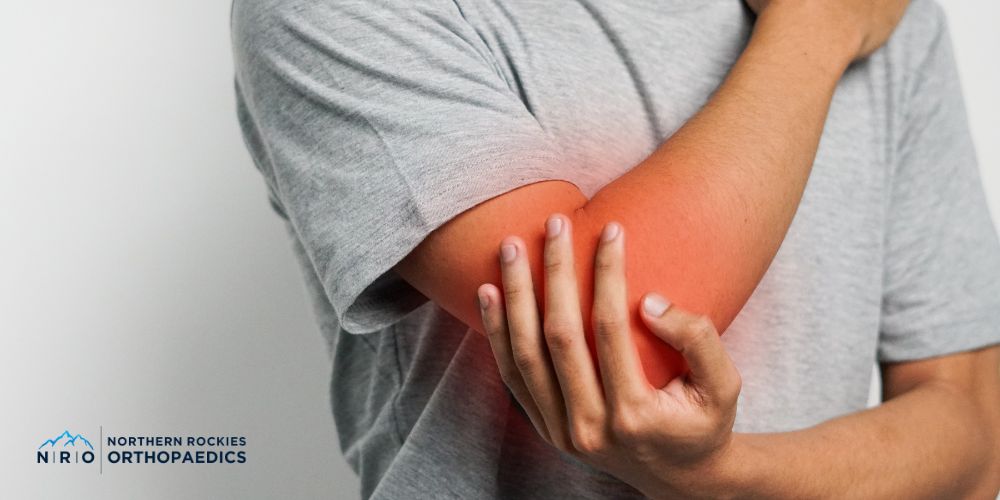
Pain that worsens with activity and improves with rest is the most common symptom of elbow arthritis, especially in the early stages. Stiffness is also typically noticeable after periods of rest or in the morning, limiting the ability to fully straighten or bend the elbow.
Swelling or tenderness around the joint may accompany pain, while decreased range of motion makes reaching, lifting, or throwing movements difficult. Many patients notice grinding, clicking, or locking sensations as rough surfaces within the joint create friction and loose bodies interfere with smooth movement.
Causes and Risk Factors for Elbow Arthritis
Nonsurgical Treatments for Elbow Arthritis
Conservative treatments focus on reducing pain and inflammation while improving movement and function in the affected elbow joint. These approaches often serve as the first line of treatment for elbow arthritis, particularly in the early stages when cartilage damage is limited.
Our goal involves slowing the progression of arthritis through activity modification, strengthening exercises, and medical management. Northern Rockies Orthopaedics offers comprehensive nonsurgical elbow treatments in Missoula, Montana, tailored to each patient’s specific condition and lifestyle needs.
Physical Therapy
Physical therapy strengthens the muscles supporting the elbow joint, improving stability and reducing stress on damaged cartilage. Our therapists design customized therapy plans that improve flexibility through targeted stretching and low-impact exercises.
Regular therapy sessions help reduce stiffness and pain while teaching patients proper movement patterns that protect the joint. Hand therapy specialists may work on exercises that address both elbow and forearm function for patients whose arthritis affects grip strength and fine motor skills.
Anti-Inflammatory Medications
Nonsteroidal anti-inflammatory drugs help reduce swelling and discomfort associated with arthritis symptoms, providing temporary pain relief. These medications may be taken orally or applied topically directly to the painful area for a localized effect.
Doctors often combine anti-inflammatory medications with other treatments like physical therapy and activity modification for comprehensive symptom management. Patients should discuss appropriate dosing and duration with their primary care doctor or a Missoula elbow specialist at NRO.
Corticosteroid Injections
Corticosteroid injections target inflammation directly in the elbow joint, delivering powerful anti-inflammatory medication where it’s needed most. These injections provide temporary pain relief lasting weeks to months, particularly useful when other treatments don’t adequately decrease pain.
Specialists reserve corticosteroid injections for situations when oral medications prove insufficient to relieve stress on the joint. While effective, doctors limit the frequency of these injections to avoid potential side effects on surrounding tissues.
Platelet-Rich-Plasma (PRP) Therapy
PRP therapy uses concentrated platelets from the patient’s own blood to reduce inflammation and potentially promote healing in damaged joint tissues. This treatment aims to harness the body’s natural healing mechanisms to improve elbow arthritis symptoms and slow progression.
Some patients experience meaningful pain relief from PRP injections, though response varies depending on arthritis severity and individual factors. Sports medicine specialists often incorporate PRP therapy into comprehensive treatment plans for active patients seeking alternatives to surgery.
Surgical Treatment Options for Advanced Elbow Arthritis

Surgical treatment becomes appropriate when nonsurgical treatments no longer provide adequate pain relief or when severe joint damage significantly limits function. The primary goals of surgery include relieving persistent elbow pain, removing damaged tissue or bone spurs, and restoring as much normal movement as possible.
Our elbow surgeons determine which procedure offers the best outcome based on the extent of joint damage, patient age, activity level, and overall health. Advanced stages of arthritis may require more extensive surgical intervention to address severe cases of cartilage loss and bone-on-bone contact.
Elbow Arthroscopy
Elbow arthroscopy is a minimally invasive procedure where the surgeon removes bone spurs, loose bodies, and damaged tissue through small incisions. This approach may improve motion and reduce pain in patients with mild to moderate arthritis who haven’t responded to conservative treatments.
Using a tiny camera and specialized instruments, the surgeon removes debris and smooths rough surfaces within the joint. Recovery from arthroscopy typically involves less pain and a faster return to activities compared to open surgical procedures.
Elbow Joint Replacement
Total elbow replacement remains an option for patients with severe arthritis and extensive joint damage that limits daily function despite other treatments. This procedure replaces the damaged joint surfaces with an artificial joint designed to restore pain-free movement.
Surgeons typically recommend joint replacement for older, less active patients with debilitating arthritis pain that prevents basic self-care activities. While total elbow replacement can dramatically improve quality of life, it requires careful rehabilitation and activity restrictions to protect the implant long-term.
Managing Arthritis Symptoms Long Term
Ongoing physical therapy or home exercise programs help maintain muscle strength, flexibility, and range of motion as elbow arthritis progresses. Activity modification protects the joint from excessive stress while allowing patients to continue their everyday activities.
Periodic medical follow-ups with a Missoula elbow specialist allow monitoring of the condition’s progression and adjustment of the treatment plan as needed. Maintaining mobility and pain control through a combination of lifestyle adjustments and preventive measures helps patients preserve independence and quality of life.
When to See an Elbow Specialist in Missoula, MT
Persistent elbow pain that does not improve with rest, ice, and over-the-counter medications warrants evaluation by an elbow specialist. Stiffness or decreased range of motion that interferes with daily activities like dressing, eating, or working requires professional assessment.
Swelling, warmth, or weakness in the elbow may indicate active inflammation or progressive arthritis needing medical care. When pain interferes with work, sports, hobbies, or sleep, a consultation with our specialists helps identify the underlying cause and establish an effective treatment plan.
Elbow Arthritis FAQs
What causes persistent elbow pain from arthritis?
Persistent elbow pain from arthritis results from cartilage breakdown that allows bones to rub together, creating inflammation and causing pain as rough surfaces grind during movement. Bone spurs, loose bodies, and synovial inflammation all contribute to ongoing discomfort that worsens with activity.
Is elbow arthritis a long-term condition?
Yes, elbow arthritis is a chronic condition that typically progresses over time, though the rate of progression varies based on arthritis type, treatment adherence, and individual factors. While treatments can decrease pain and slow degeneration, arthritis generally requires ongoing management rather than offering a permanent cure.
Can elbow arthritis cause decreased range of motion?
Elbow arthritis commonly causes decreased range of motion as pain, stiffness, swelling, and bone spurs limit the joint’s ability to fully bend and straighten. As the condition progresses, structural changes within the joint increasingly restrict movement even when pain is well-controlled.
Are there prevention tips to slow the progression of elbow arthritis?
Prevention tips include maintaining a healthy weight to reduce stress on joints, performing low-impact exercises that strengthen supporting muscles without excessive wear, and using proper techniques during repetitive activities. Early treatment of elbow injuries, activity modification to avoid overuse, and regular medical care help slow arthritis progression.
Don’t Let Elbow Arthritis Pain Hold You Back. Contact the Missoula Elbow Specialists at Northern Rockies Orthopaedics Today.
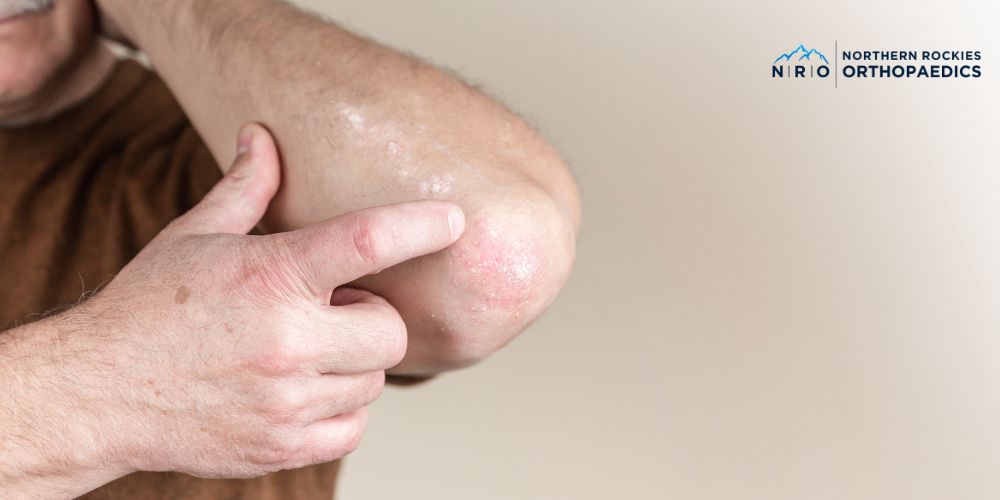
Northern Rockies Orthopaedics provides personalized care for elbow arthritis, combining conservative treatments and advanced surgical ability to help you find relief. Our elbow specialists understand how this condition affects your daily life and work with you to develop a treatment plan that addresses your specific needs and goals. We offer comprehensive solutions for all stages of elbow arthritis.
Contact our office by phone at (406) 728-6101 or through our online contact page to schedule an appointment and take the first step toward improved elbow function and pain relief.
Patient Testimonials
Move Better. Feel Better. Perform Better.
We are committed to high quality orthopedic healthcare and implementing innovative, value-added solutions to deliver compassionate, patient-centered healthcare.