
Spinal Fractures Missoula, Montana
Specialties
Experienced Neck and Spine Surgeons Providing Complete Spinal Fracture Treatment in Missoula, Montana
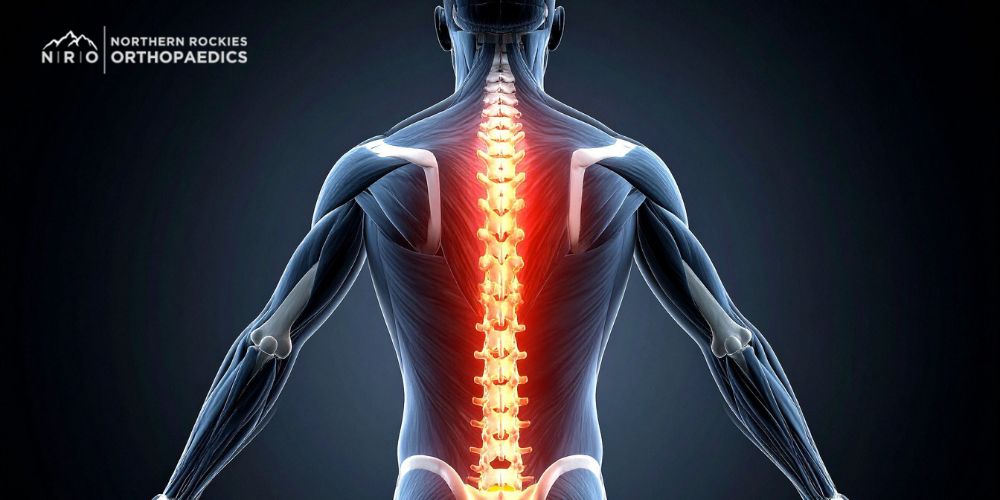
Northern Rockies Orthopaedics provides skilled spine care for patients experiencing spinal fractures. Missoula, Montana, residents receive prompt diagnosis and specialized treatment from our experienced neck and spine surgeons, who understand that spine fractures require immediate attention to prevent spinal cord damage and restore function. From minor fractures that heal with conservative treatment to severe fractures requiring surgical fixation, our team delivers personalized care based on each patient’s specific injury and needs.
Schedule an evaluation with our Missoula spine specialists by calling our office at (406) 728-6101 or visiting our online contact page to discuss your treatment options.
Anatomy of Vertebral Body
The vertebral body forms the front portion of each vertebra and serves as the primary weight-bearing structure of the spinal column. These bones stack on top of each other to create the spine, protecting the spinal cord and nerve roots that run through the spinal canal.
The vertebral body works with facet joints and soft tissues to maintain spinal alignment and support normal activities. When trauma or bone loss damages the vertebral body, it disrupts the stability of the entire spine and can affect movement, cause pain, and potentially injure the spinal cord or spinal nerves.
What Are Spinal Fractures?
Spinal fractures occur when one or more vertebrae break or collapse, disrupting the normal structure of the spinal column. These fractures can range from minor fractures that cause minimal symptoms to severe fractures that threaten spinal stability and nerve function.
Vertebral compression fractures involve the collapse of the vertebral body, while more complex injuries may include bone fragments, fracture dislocation, or damage to surrounding soft tissues. Northern Rockies Orthopaedics treats the full spectrum of spine and neck conditions in Missoula, Montana, with comprehensive evaluation and personalized treatment plans.
Common Causes of a Fractured Spine
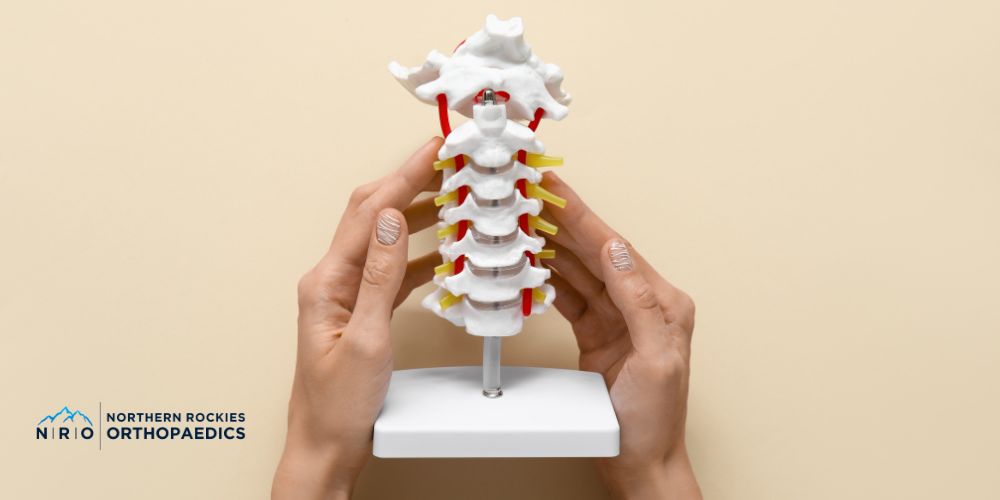
Car accidents, falls from heights, and sports injuries represent common causes of traumatic spinal fractures in younger patients. Osteoporosis weakens bones and creates a higher risk for vertebral compression fractures, particularly in older adults who may sustain fractures from minor trauma or even normal activities.
Gunshot wounds, repetitive stress, bone cancer, spinal tumors, and spinal infections can also lead to fractured vertebrae. Research from the American Academy of Orthopaedic Surgeons on osteoporosis and spinal fractures shows these injuries affect millions of Americans annually and often occur with minimal or no trauma.
Types of Spinal Fractures
Identifying the type of spinal fracture helps our spine surgeons determine the most appropriate treatment approach. Different fracture patterns affect spinal stability, nerve structures, and healing potential in distinct ways.
Understanding whether a patient has stable fractures or unstable fractures guides decisions about conservative treatment versus surgery. The location of the injury, in the cervical spine, thoracic spine, or lumbar spine, also influences treatment planning and recovery.
Spinal Compression Fractures
Vertebral compression fractures occur when the vertebral body collapses under pressure, often causing the anterior part of the vertebra to wedge forward. These fractures commonly affect older adults with osteoporosis and bone loss, sometimes occurring during routine activities without significant trauma.
Patients often experience a sudden onset of back pain, height loss over time, and visible spinal deformities like a hunched upper back. Most compression fractures are stable fractures that respond well to conservative treatment, though some cases require minimally invasive procedures for pain relief.
Burst Fractures
Burst fractures result from high-impact trauma that causes the vertebral body to break in multiple directions, often sending bone fragments into the spinal canal. This type of fracture carries an increased risk of spinal cord injury or nerve damage because broken pieces of bone can press on neural structures.
Car accidents, falls from significant heights, and other severe trauma typically cause burst fractures. These injuries often require surgery to remove bone fragments, decompress the spinal cord, and stabilize the affected vertebrae.
Flexion-Distraction Injuries
Flexion-distraction injuries occur when sudden deceleration forcefully bends the spine forward while pulling it apart, commonly seen in car accidents involving seat belt restraints. This injury pattern damages not only the vertebrae but also the ligaments, facet joints, and soft tissues that normally stabilize the spine.
The combination of bone and soft tissue injury creates unstable fractures that often require surgical fixation. Patients may find that pain worsens with movement or experience neurological deficits and difficulty walking, depending on the severity of the injury.
Fracture Dislocation Injuries
Fracture dislocation results from a combination of broken bone and spinal misalignment, representing one of the most serious types of spinal fractures. The wound damages vertebrae, ligaments, facet joints, and other structures that maintain spinal stability and protect the spinal cord.
The displacement of the vertebral column creates a high risk for spinal cord damage, nerve injury, and permanent neurological deficit. Emergency room physicians typically identify these unstable fractures immediately, and spine surgeons often recommend urgent surgical intervention to realign the spine and prevent further injury.
Stable Fractures vs Unstable Fractures
Stable fractures maintain proper spinal alignment even with movement because the surrounding ligaments and soft tissues remain intact enough to support the spine. These fractures typically heal well with conservative treatment, including bracing, activity modification, and physical therapy.
Unstable fractures involve damage to both bone and supporting structures, creating a risk that the spine will shift and potentially injure the spinal cord or nerve roots. The distinction between stable and unstable injuries determines whether a patient requires surgery for spinal stabilization and protection of neural structures.
Spine Fracture Symptoms
Sudden onset of severe back or neck pain following trauma represents the most common symptom of spinal fractures. If movement, standing, or lying in certain positions makes pain worse, this often indicates a vertebral fracture.
Numbness, tingling, weakness in arms or legs, or difficulty walking suggests nerve damage or potential spinal cord injury requiring immediate medical attention. Some patients with osteoporosis-related compression fractures experience gradual pain development or notice increasing spinal deformities over time.
How Are Spinal Fractures Diagnosed in Missoula?
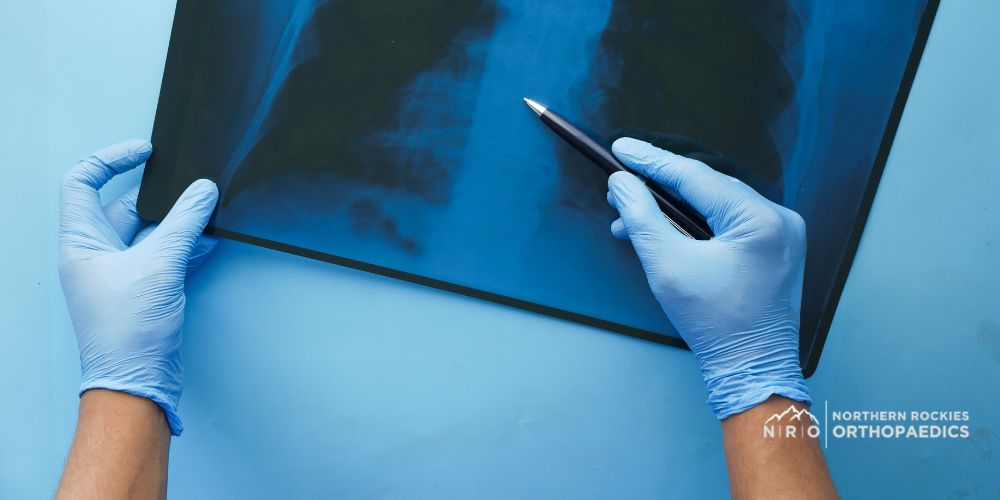
Our spine specialists begin with a thorough physical exam to assess pain location, neurological function, and spinal alignment. Imaging studies, including X-rays, identify the location and pattern of fractured vertebrae, while CT scans provide detailed views of bone fragments and fracture severity.
Magnetic resonance imaging (MRI) evaluates soft tissue injury, spinal cord damage, nerve compression, and signs of spinal infections or tumors. In some cases, a bone scan helps detect fractures not visible on standard X-rays or assess bone strength in patients with osteoporosis.
How Are Spinal Fractures Treated at Northern Rockies Orthopaedics?
Treatment for spinal fractures depends on fracture type, stability, patient symptoms, and overall health status. Our spine surgeons focus on relieving pain, restoring spinal stability, promoting healing, and preventing complications like spinal cord injury or chronic deformity.
We create personalized treatment plans that may include conservative management for stable fractures or surgical intervention for unstable or severe fractures. Northern Rockies Orthopaedics offers comprehensive neck and spine treatments in Missoula, Montana, tailored to each patient’s needs.
Nonsurgical Treatment Options for Spine Fractures
Conservative treatment effectively manages stable fractures without nerve damage, emphasizing healing while preventing further injury. Our team monitors fracture healing through follow-up imaging and adjusts treatment as needed.
Most patients with minor fractures or stable compression fractures achieve good outcomes without requiring surgery. Nonsurgical approaches work best when started promptly and followed consistently under medical supervision.
Physical Therapy
Physical therapy helps restore strength, flexibility, and function after the fracture heals sufficiently to allow movement. Our therapists design customized rehabilitation plans that gradually progress from gentle exercises to more demanding activities.
Therapy reduces pain, improves posture, prevents future injuries, and helps patients return to normal activities safely. Regular sessions under professional guidance optimize recovery and reduce the risk of chronic pain or disability.
Bracing and Activity Modification
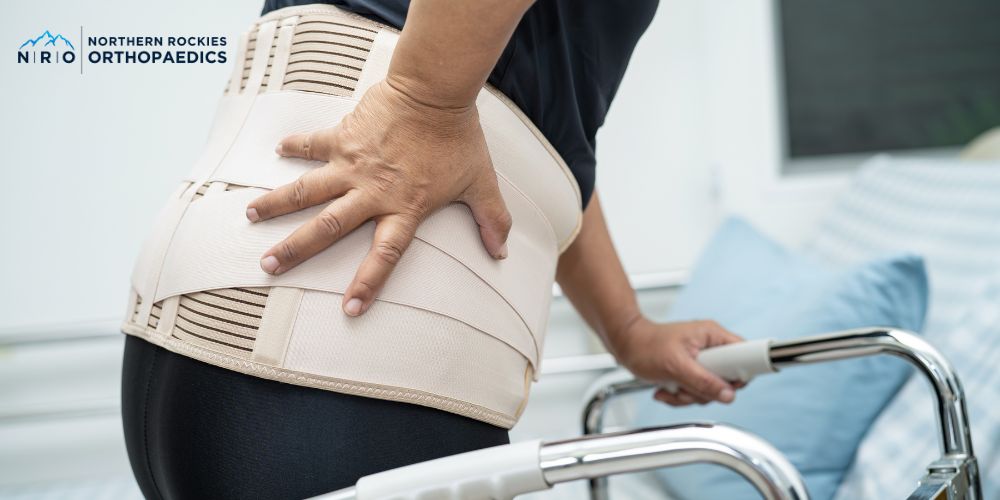
A back brace limits movement during the healing process, supporting proper spinal alignment and reducing pain. Patients typically wear the brace for several weeks to months, depending on fracture severity and healing progress.
Temporary activity restrictions prevent actions that could displace the fracture or slow healing. Our team provides clear guidance on which movements to avoid and when patients can safely resume various activities.
Osteoporosis Treatment
Patients with vertebral compression fractures often undergo bone-health evaluation to identify osteoporosis and prevent more fractures in the future. Treatment may include calcium and vitamin D supplementation, medications that strengthen bones, and lifestyle modifications like a healthy diet and weight-bearing exercise.
Addressing bone loss reduces the risk of additional vertebral fractures and other osteoporosis-related injuries. Early intervention protects bone strength and helps patients maintain independence as they age.
Spinal Fracture Surgeries in Missoula, Montana
Surgery becomes necessary for unstable fractures, severe fractures with spinal cord compression, or fractures causing progressive neurological deficit. Our spine surgeons perform procedures to stabilize the spine, remove bone fragments pressing on nerves, and restore vertebral height when possible.
Surgical fixation protects the spinal cord and nerve roots while creating optimal conditions for bone healing. The specific procedure depends on fracture location, pattern, and the patient’s overall condition.
Vertebroplasty
Vertebroplasty is a minimally invasive procedure where surgeons inject bone cement directly into the collapsed vertebral body to stabilize the fracture. This outpatient procedure often provides rapid pain relief for patients with painful compression fractures that haven’t responded to conservative treatment.
Using imaging guidance, the surgeon carefully places a thin needle into the affected vertebrae and delivers the cement to restore structural support. Most patients experience significant pain reduction within days and can resume normal activities more quickly than with prolonged bracing.
Kyphoplasty
Kyphoplasty builds on vertebroplasty by first inserting a balloon device into the collapsed vertebra to restore height before injecting bone cement. This approach can reduce spinal deformities and improve alignment in addition to stabilizing the fracture.
The balloon creates a cavity that the cement fills, potentially achieving better pain relief and functional outcomes than vertebroplasty alone. Like vertebroplasty, kyphoplasty is a minimally invasive procedure performed on an outpatient basis with a relatively quick recovery.
When to See a Missoula Spine Specialist at NRO
You should seek evaluation from our neck and spine surgeons in Missoula, Montana, if you experience severe or persistent back pain following an injury or fall. Any neurological symptoms, such as numbness, weakness, tingling, or difficulty walking, require prompt medical attention to prevent permanent damage.
Patients with osteoporosis who develop new back pain should consult our spine specialists to rule out vertebral compression fractures. Early diagnosis and treatment improve outcomes and help prevent complications from untreated spinal fractures.
Spine Fracture FAQs
How serious is a compression fracture of the spine?
Vertebral compression fractures vary from minor fractures causing temporary discomfort to severe fractures leading to chronic pain, spinal deformities, and reduced quality of life. Most stable compression fractures heal well with conservative treatment, though multiple fractures increase the risk of progressive height loss and kyphosis.
What does a fractured spine feel like?
Total shoulder replacement involves replacing the damaged parts of the shoulder joint with artificial components placed in their normal anatomical positions. This procedure is typically recommended when the rotator cuff tendons are healthy and intact. On the other hand, reverse shoulder replacement is used when the rotator cuff is severely torn or nonfunctional.
Can you walk with a fractured spine?
Many patients with stable fractures can walk, though movement may be painful and limited initially. However, severe fractures, unstable fractures, or injuries with spinal cord damage may prevent walking and require immediate emergency room evaluation and possible surgery.
How long is fractured spine recovery in elderly patients?
Elderly patients with vertebral compression fractures typically need 6-12 weeks for bone healing, though recovery time varies based on fracture severity, bone strength, and overall health. Osteoporosis treatment and physical therapy extend the recovery process but improve long-term outcomes and reduce the risk of future fractures.
Can a fractured spine heal without surgery?
Yes, stable fractures without nerve damage usually heal successfully with conservative treatment, including bracing, pain management, activity modification, and physical therapy. However, unstable fractures, burst fractures with bone fragments in the spinal canal, or fractures causing neurological deficit typically require surgery for proper healing and to prevent complications.
Get Expert Care for Spinal Fractures in Missoula, Montana. Contact Northern Rockies Orthopaedics Today.
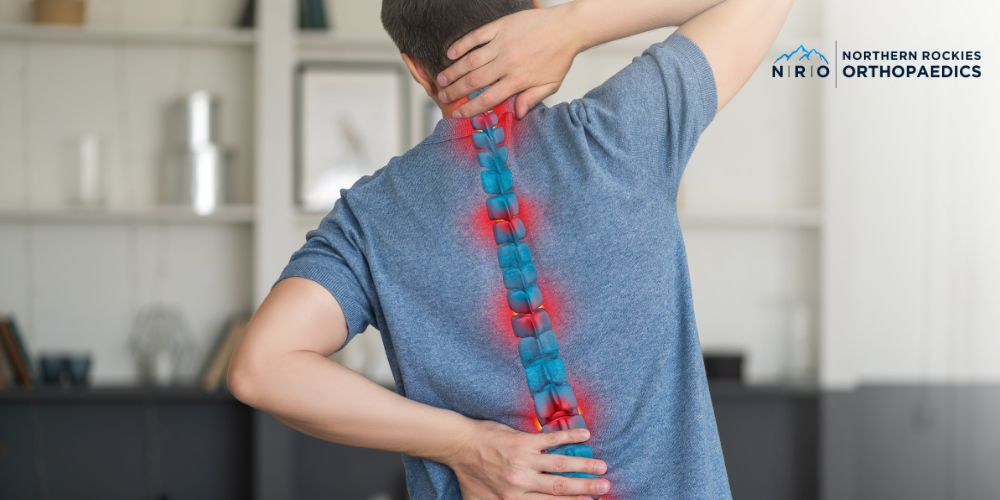
Northern Rockies Orthopaedics provides trusted, local spine care for patients throughout Missoula and surrounding communities. Our experienced spine surgeons diagnose and treat all types of spinal fractures, from minor compression fractures to complex fracture dislocations requiring surgical intervention. From nonsurgical management to complex procedures, we provide individualized care focused on helping you heal and resume your normal routine.
Call our office at (406) 728-6101 or visit our contact page today to schedule an appointment with our spine specialists.
Patient Testimonials
Move Better. Feel Better. Perform Better.
We are committed to high quality orthopedic healthcare and implementing innovative, value-added solutions to deliver compassionate, patient-centered healthcare.