
Arthroscopic Shoulder Surgery in Missoula, Montana
Specialties
Minimally Invasive Arthroscopic Surgery for Shoulder Conditions in Missoula, Montana
Arthroscopic shoulder surgery in Missoula, Montana, at Northern Rockies Orthopaedics, gives patients access to experienced orthopedic surgeons who specialize in treating shoulder pain, rotator cuff injuries, and other shoulder conditions that affect their quality of life. Our orthopedic surgeons use minimally invasive arthroscopic techniques to address a wide range of shoulder problems with precision and less disruption to the surrounding soft tissues than traditional open shoulder surgery. The goal of every shoulder procedure we perform is to relieve pain, restore range of motion, and help patients return to the activities they enjoy as quickly as possible.
Call Northern Rockies Orthopaedics at 406-728-6101 or use our online contact form to schedule an evaluation today.
What Is Arthroscopic Shoulder Surgery?
Arthroscopic shoulder surgery is a minimally invasive surgical procedure in which a surgeon inserts a tiny camera called an arthroscope through very small incisions in the affected shoulder to examine all the structures inside the glenohumeral joint, including the rotator cuff tendon, biceps tendon, shoulder capsule, and surrounding soft tissues. The tiny camera transmits live images to a screen, allowing the surgical team to identify the source of shoulder pain and use specialized instruments through additional small incisions to repair damaged tissue.
Compared to open shoulder surgery, arthroscopic procedures require only very small incisions that are typically covered with simple band-aids after surgery, resulting in less pain, fewer complications, and a faster recovery. Surgeons use arthroscopic shoulder surgery for both diagnostic and treatment purposes, making it an effective minimally invasive way to address a broad range of shoulder conditions.
Why Our Missoula Orthopedic Surgeons Recommend Shoulder Arthroscopy
Our shoulder surgeons in Missoula, Montana, recommend shoulder arthroscopy when nonsurgical treatments such as physical therapy, anti-inflammatory medications, and pain medications have failed to adequately relieve pain or restore shoulder strength and function. Arthroscopic surgery allows the surgical team to directly visualize and treat the underlying cause of shoulder problems, preventing further damage to the rotator cuff, labrum, shoulder capsule, and other structures surrounding the glenohumeral joint.
The minimally invasive nature of arthroscopic procedures means patients typically experience fewer complications, less pain, and a shorter recovery compared to open surgery, making it a preferred option for many shoulder conditions. Our surgeons develop individualized treatment plans for each patient based on a thorough evaluation of their specific shoulder conditions and overall health.
Most Common Shoulder Conditions Treated With Arthroscopic Shoulder Surgery
Arthroscopic shoulder surgery treats a wide range of shoulder conditions in Missoula, Montana, affecting the rotator cuff, labrum, biceps tendon, shoulder capsule, and other structures inside the glenohumeral joint. Shoulder injuries resulting from sports activities, overuse, or the natural aging process can cause significant pain and limited mobility that interfere with daily life and athletic performance.
Our orthopedic surgeons use arthroscopic techniques to diagnose and treat both acute shoulder injuries and degenerative shoulder conditions when conservative care has not provided adequate relief. Below are some of the most common shoulder conditions our surgical team treats using arthroscopic shoulder surgery.
Rotator Cuff Tear
The rotator cuff is a group of tendons surrounding the humeral head and shoulder blade that work together to stabilize the shoulder joint and power arm movement during daily activities and sports. Rotator cuff tears can result from a sudden injury, overuse, or the gradual wear of aging, and patients typically experience pain, weakness, and difficulty lifting or rotating the affected shoulder.
Arthroscopic rotator cuff repair allows our surgeons to treat rotator cuff tears by reattaching the torn rotator cuff tendon to the upper arm bone using sutures attached through very small incisions rather than the larger incisions required for open shoulder surgery. Arthroscopic rotator cuff surgery helps patients restore shoulder strength, reduce pain, and return to normal activity with a faster recovery than traditional open surgery.
Shoulder Impingement Syndrome
Shoulder impingement syndrome, Missoula, MT, causes tendons inside the shoulder joint to become compressed and irritated as the arm bone moves, producing pain when lifting the arm and inflammation in the surrounding soft tissues. Patients with this condition often experience persistent shoulder pain that limits their range of motion and makes everyday tasks difficult to perform.
During arthroscopic shoulder surgery, our surgeons remove inflamed tissue and bone spurs that contribute to compression inside the glenohumeral joint, relieving pressure on the rotator cuff tendon and biceps tendon. This minimally invasive procedure relieves pain and restores comfortable shoulder movement without the prolonged recovery associated with open shoulder surgery.
Shoulder Labrum Tear
The labrum is a ring of cartilage that lines the shoulder joint and helps stabilize the humeral head within the glenohumeral joint during movement. Labral tears, including SLAP tears, commonly result from shoulder dislocation, repetitive overhead activity, or sports injuries, and patients often experience instability, catching, and pain deep inside the affected shoulder.
Our orthopedic surgeons use arthroscopic fixation techniques to repair labral tears through very small incisions, reattaching the torn tissue and restoring stability to the shoulder joint. Arthroscopic repair of labral tears helps patients regain shoulder strength and confidence in their movement while avoiding the longer recovery associated with open surgery.
Shoulder Instability
Shoulder instability develops when the ligaments, the shoulder capsule, and the surrounding soft tissues that hold the humeral head in place become stretched or torn, leading to repeated dislocations or a persistent feeling of looseness in the affected shoulder. Patients with shoulder instability often experience weakness, pain, and apprehension during movement, particularly during overhead or throwing activities common in sports medicine settings.
In order to reestablish stability in the glenohumeral joint, our surgeons employ specialized instruments and sutures to tighten the shoulder capsule and repair damaged ligaments through the use of extremely small incisions during arthroscopic shoulder surgery. Addressing shoulder instability arthroscopically reduces the risk of future dislocations and helps patients return to sports and daily activities with greater confidence and shoulder strength.
Shoulder Arthritis
Shoulder arthritis causes the cartilage inside the glenohumeral joint to wear down over time, leading to pain, stiffness, and inflammation that limit shoulder movement and daily function. As cartilage deteriorates, the humeral head and shoulder blade surfaces begin to rub against each other, causing significant discomfort that worsens with activity.
During arthroscopic shoulder surgery, our surgeons remove damaged tissue, loose fragments, and bone spurs from inside the shoulder joint to relieve pain and reduce inflammation without the need for open surgery or shoulder replacement. Patients with shoulder arthritis often experience meaningful improvement in function and comfort following arthroscopic treatment, allowing them to delay or avoid further surgery, such as shoulder replacement.
Frozen Shoulder (Adhesive Capsulitis)
Frozen shoulder, also known as adhesive capsulitis, is a condition in which the shoulder capsule becomes thickened and inflamed, causing progressive pain and stiffness that significantly restricts the range of motion in the affected shoulder. Patients with frozen shoulder often struggle to perform basic daily tasks and may find that the condition worsens over time without proper treatment.
During arthroscopic shoulder surgery, our surgeons release the tight shoulder capsule through very small incisions, allowing the shoulder joint to move more freely and reducing the pain and stiffness associated with adhesive capsulitis. This minimally invasive approach helps patients restore range of motion and begin physical therapy sooner than they could following open surgery.
How Arthroscopic Rotator Cuff Repair and Shoulder Arthroscopy Are Performed
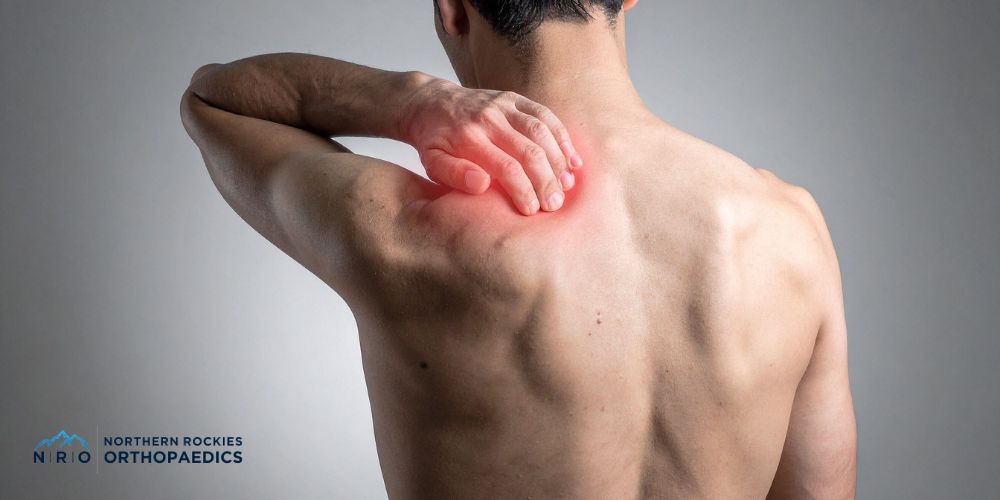
Before arthroscopic shoulder surgery begins, the patient receives either general anesthesia or regional anesthesia, such as a nerve block, and the surgical team positions the patient in a semi-seated position to allow optimal access to all the structures inside the shoulder joint. The surgeon cleans the affected shoulder with an antiseptic solution and then makes very small incisions through which the tiny camera and surgical instruments are inserted into the glenohumeral joint.
The surgeon injects fluid into the shoulder joint to expand the space and improve visualization, then uses specialized instruments to repair torn tissue, remove damaged material, or address other shoulder conditions identified during the procedure. Our shoulder treatments in Missoula, Montana, include arthroscopic shoulder surgery among a range of minimally invasive options designed to relieve pain and help patients avoid the longer recovery associated with open shoulder surgery.
What to Expect After Arthroscopic Shoulder Surgery
After arthroscopic shoulder surgery, patients spend time in the recovery room while the anesthesia wears off before being discharged home with post-surgical care instructions from the surgical team. Most patients need to wear a sling on the affected shoulder for a period of time following surgery to protect the repair while the shoulder heals and to prevent strain on the rotator cuff tendon and surrounding soft tissues.
The surgical team will prescribe pain medications and may recommend anti-inflammatory medications to manage discomfort during the initial recovery period, and patients should follow all post-surgical instructions carefully to support healing and reduce the risk of blood clots and other complications. Attending all scheduled follow-up appointments allows your surgeon to monitor progress and make adjustments to your recovery plan as needed.
Shoulder Arthroscopy Recovery Time
Recovery time after arthroscopic shoulder surgery varies depending on the specific shoulder conditions treated and the complexity of the surgical procedure performed. During the early healing phase, patients focus on managing pain and protecting the affected shoulder while the soft tissues begin to heal, typically over the first several weeks following surgery.
A physical therapist will guide patients through a structured exercise program designed to restore range of motion, rebuild shoulder strength, and safely progress toward a return to daily activities and sports. Individual recovery differences mean that some patients return to normal activities sooner than others, and your surgeon will provide a personalized timeline based on your specific procedure and how well your shoulder heals.
Shoulder Arthroscopy FAQs
Is arthroscopic shoulder surgery worth it?
Arthroscopic shoulder surgery provides significant relief for patients whose shoulder conditions have not responded to physical therapy, anti-inflammatory medications, and pain medications. Most patients experience meaningful improvement in pain, range of motion, and shoulder strength, and a thorough evaluation by one of our orthopedic surgeons will determine candidacy.
How soon can I drive after arthroscopic shoulder surgery?
Patients should avoid driving until they are no longer wearing a sling, have stopped taking pain medications, and have received clearance from their surgeon. The timeline varies depending on the specific shoulder procedure performed.
How long does arthroscopic rotator cuff surgery take?
Arthroscopic rotator cuff surgery typically takes between one and two hours, depending on the severity of the tear and the complexity of the repair. Most patients go home the same day, as it is typically an outpatient procedure.
How long is physical therapy after shoulder surgery?
Physical therapy begins shortly after surgery and guides patients through a progressive exercise program to restore range of motion and rebuild shoulder strength. Duration varies depending on the shoulder conditions treated and individual patient progress.
Schedule a Consultation for Arthroscopic Shoulder Surgery at Northern Rockies Orthopaedics in Missoula, Montana

Arthroscopic shoulder surgery at Northern Rockies Orthopaedics gives patients in Missoula access to experienced orthopaedic surgeons who use minimally invasive arthroscopic techniques to treat a wide range of shoulder conditions and restore shoulder function. Our surgical team is committed to providing personalized care and developing treatment plans tailored to each patient’s specific shoulder problems and recovery goals. Do not ignore ongoing shoulder pain, stiffness, or limited range of motion, as early treatment can prevent further damage and reduce the need for more extensive procedures such as shoulder replacement down the road.
Call Northern Rockies Orthopaedics at 406-728-6101 or use our online contact form to schedule a consultation for arthroscopic shoulder surgery in Missoula, Montana, today.
Patient Testimonials
Move Better. Feel Better. Perform Better.
We are committed to high quality orthopedic healthcare and implementing innovative, value-added solutions to deliver compassionate, patient-centered healthcare.