
Elbow Arthroscopy in Missoula, Montana
Specialties
Trusted Missoula Elbow Surgeons Providing Arthroscopic Elbow Surgery at Northern Rockies Orthopaedics
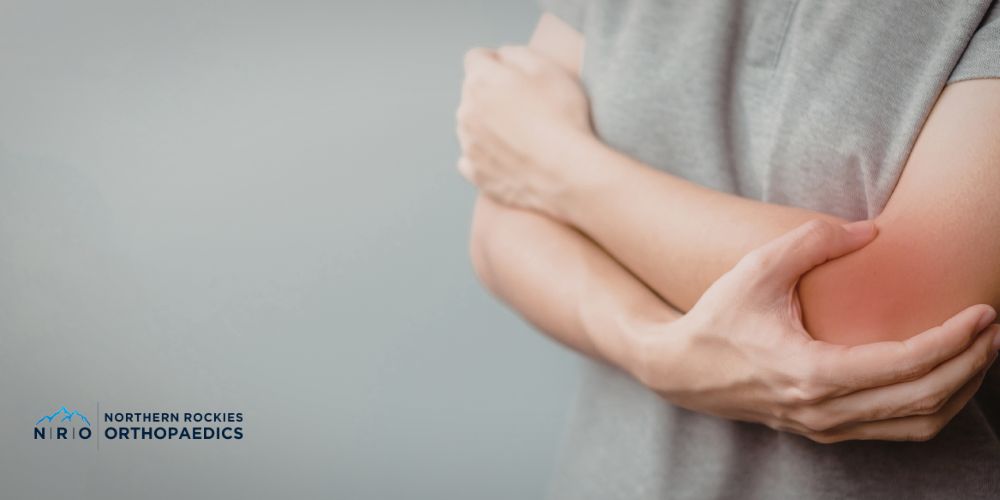
Elbow arthroscopy in Missoula, Montana, at Northern Rockies Orthopaedics gives patients access to orthopaedic surgeons who use minimally invasive procedures to diagnose and treat a wide range of elbow problems with precision and less disruption to the surrounding soft tissues than traditional open surgery. Elbow pain and stiffness can interfere with daily activities, work performance, and athletic pursuits, making timely surgical intervention essential for patients whose conservative treatments have failed to provide relief.
Our elbow surgeons are committed to helping patients in Missoula relieve pain, restore range of motion, and return to the activities they enjoy through personalized, minimally invasive treatment plans. Call Northern Rockies Orthopaedics at 406-728-6101 or use our online contact form to schedule an evaluation today.
What Is Elbow Arthroscopy?
Elbow arthroscopy is a minimally invasive surgical procedure in which an orthopedic surgeon inserts a small camera called an arthroscope through tiny incisions to examine and treat problems inside the elbow joint. The arthroscope transmits live images of the elbow anatomy, including the articular cartilage, joint capsule, anterior compartment, and posterior compartment, allowing the surgeon to identify and address the underlying pathology with specialized surgical instruments.
Compared to traditional open surgery, elbow arthroscopy uses smaller incisions that reduce soft tissue damage, minimize postoperative pain, and support a faster recovery. Our elbow treatments in Missoula, Montana, include elbow arthroscopy among a range of surgical and nonsurgical options designed to relieve pain and restore elbow function.
Advantages of Minimally Invasive Arthroscopic Elbow Surgery
Arthroscopic surgery offers several meaningful advantages over open surgery for patients dealing with elbow pain and elbow injuries. Smaller incisions mean less disruption to the soft tissues surrounding the elbow joint, which typically results in less pain after surgery and a reduced risk of complications during the recovery process.
Patients who undergo this minimally invasive procedure generally experience faster healing, an earlier return to daily activities, and a lower likelihood of significant postoperative pain compared to those who undergo traditional open elbow surgery. The precision of arthroscopic surgery also allows orthopedic surgeons to address the underlying pathology while preserving as much healthy elbow anatomy as possible.
Common Elbow Conditions Treated With Arthroscopic Surgery in Missoula, Montana
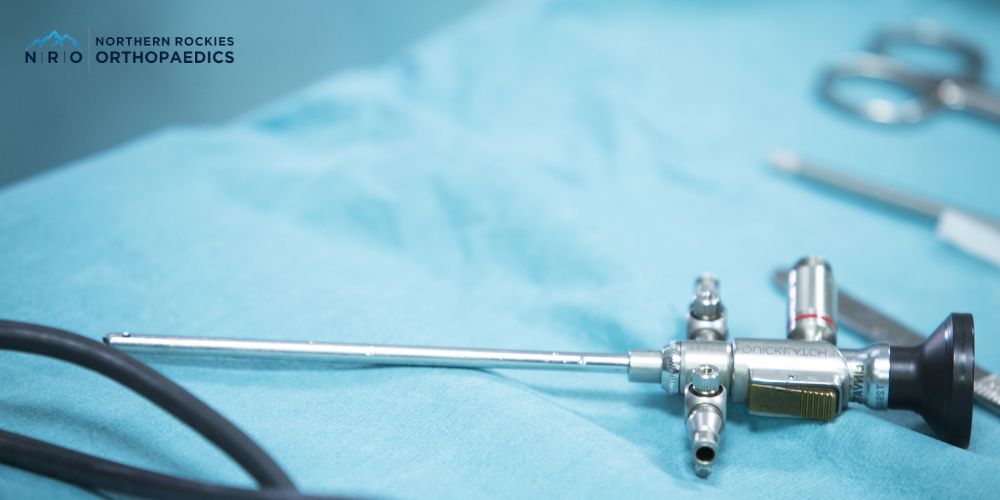
Elbow arthroscopy treats a wide range of elbow conditions in Missoula, Montana, affecting the joint space, articular cartilage, soft tissues, and surrounding neurovascular structures. Our orthopedic surgeons recommend elbow arthroscopy when conservative treatments such as rest, medication, and physical therapy have failed to adequately relieve pain or restore function.
The goal of arthroscopic surgery is to address the underlying pathology, decrease pain, and help patients regain a full range of motion in the elbow joint. Below are some of the most common elbow conditions our elbow surgeons treat using this minimally invasive approach. Visit our elbow conditions page to learn more.
Elbow Arthritis
Elbow arthritis, including rheumatoid arthritis and inflammatory arthritis, causes progressive pain, stiffness, and inflammation inside the elbow joint as cartilage breaks down and bone spurs develop over time. During elbow arthroscopy, our orthopedic surgeons remove damaged tissue, bone spurs, and loose fragments from the anterior and posterior compartments to relieve pain and restore smoother joint movement.
This minimally invasive procedure reduces irritation in the joint without the extensive recovery associated with open surgery, making it a preferred surgical intervention for many patients with elbow arthritis. Patients often experience meaningful improvement in elbow function and a significant decrease in pain following the procedure.
Loose Bodies in the Elbow Joint
Loose bodies are small bone fragments or loose cartilage that break off inside the elbow joint and interfere with normal movement, causing pain, catching, or locking sensations during activity. These loose fragments commonly develop as a result of elbow injuries, articular cartilage damage, or conditions such as rheumatoid arthritis that affect the joint space over time.
During elbow arthroscopy, the surgeon inserts specialized surgical instruments through small portals, including the posterolateral portal, to locate and remove loose bodies from the anterior compartment, posterior compartment, and olecranon fossa. Removing these loose fragments restores smooth joint movement and significantly reduces elbow pain.
Lateral Epicondylitis (Tennis Elbow)
Lateral epicondylitis, commonly known as tennis elbow, is a condition caused by tendon damage at the lateral epicondyle of the upper arm bone that produces persistent outer elbow pain during gripping, lifting, or other repetitive activities. Throwing athletes and individuals whose work involves repetitive arm movements are particularly susceptible to this condition, and many experience significant pain along the lateral aspect of the elbow that does not respond to conservative care.
Orthopedic surgeons remove damaged tissue from the lateral soft spot and surrounding soft tissues during elbow arthroscopy to alleviate pain and address the underlying pathology at the lateral epicondyle. This minimally invasive surgical technique helps patients restore strength, reduce pain, and return to their normal activities more quickly than traditional open surgery.
Chronic Elbow Stiffness and Limited Range of Motion
Chronic elbow stiffness and limited range of motion commonly develop after elbow injuries, surgical procedures, or prolonged inflammation that causes scar tissue to build up inside the joint capsule and surrounding soft tissues. Patients with this condition often struggle to fully bend or straighten the elbow, which can interfere with work, sports, and everyday tasks that require full use of the upper arm.
Surgeons release the anterior capsule, remove scar tissue, and address other structural issues in the anterior and posterior compartments that impede joint movement during elbow arthroscopy. This minimally invasive procedure helps patients restore range of motion and return to normal elbow function without the prolonged recovery associated with open surgery.
How Elbow Arthroscopy Is Performed at Northern Rockies Orthoapedics

Before elbow arthroscopy begins, the patient receives general anesthesia and is positioned in either the lateral decubitus position, supine, or prone position, depending on the surgeon’s preference and the elbow pathologies being addressed. The surgeon uses an arm holder to stabilize the upper arm and then makes small incisions called portals, including the posterolateral portal, to insert the arthroscope and surgical instruments into the elbow joint.
The arthroscope provides real-time articular visualization of the elbow anatomy, including the radial head, medial epicondyle, olecranon tip, ulnar collateral ligament, and cubital tunnel, allowing the surgeon to identify and treat the underlying pathology with precision. Our elbow surgeons in Missoula, Montana, take every precaution to protect neurovascular structures such as the ulnar nerve, radial nerve, median nerve, posterior antebrachial cutaneous nerve, and nearby blood vessels throughout this technically demanding procedure.
Arthroscopic Elbow Surgery Recovery Time
Recovery time after elbow arthroscopy varies depending on the specific elbow pathologies treated and the complexity of the surgical procedure performed. After the anesthesia wears off and the patient is monitored in the recovery room, most patients are discharged the same day since elbow arthroscopy is typically an outpatient procedure.
Patients can expect some swelling and soreness in the elbow joint during the initial recovery period, and following postsurgical instructions, including rest, elevation, and ice application, plays an important role in managing postoperative pain and supporting healing. Physical therapy is commonly recommended to restore range of motion, rebuild strength, and achieve full recovery, and follow-up appointments with your orthopedic surgeon allow the team to monitor healing and address any concerns.
Arthroscopic Elbow Surgery FAQs
What surgical technique is used during elbow arthroscopy?
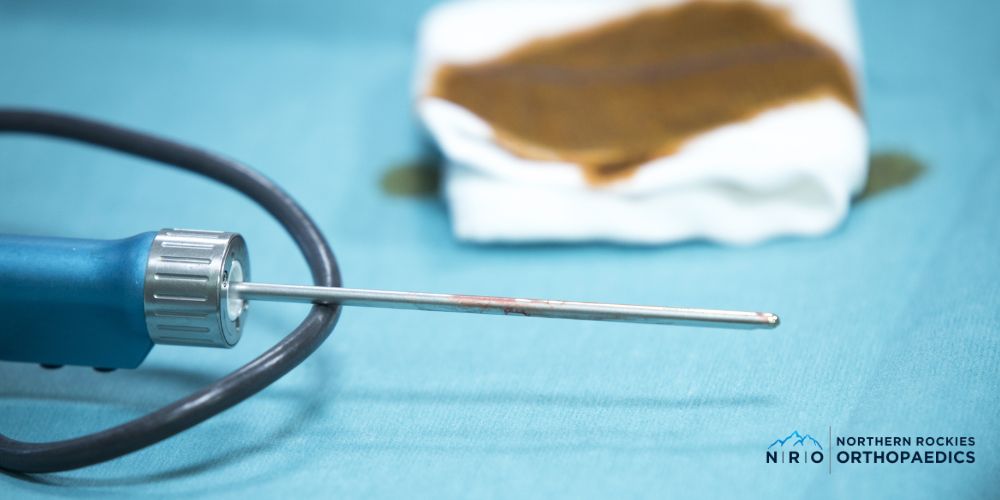
During elbow arthroscopy, the orthopedic surgeon uses an arthroscope and specialized surgical instruments inserted through small portals to examine and treat problems inside the elbow joint. Portal placement is carefully planned to access specific areas such as the anterior compartment, posterior compartment, and posterolateral portal while protecting the surrounding neurovascular structures. This minimally invasive surgical technique allows orthopedic surgeons to address a wide range of elbow pathologies with precision and minimal disruption to the soft tissues surrounding the elbow joint.
How long does elbow arthroscopy take?
The length of elbow arthroscopy depends on the specific elbow conditions being treated and the complexity of the surgical intervention required. Most procedures are completed in less than a few hours, and elbow arthroscopy is typically performed as an outpatient procedure, meaning patients go home the same day. Your orthopedic surgeon will provide a more specific estimate based on the underlying pathology identified during your preoperative evaluation.
Are there risks to nerves or other elbow anatomy during elbow arthroscopy?
As with any surgical procedure, elbow arthroscopy carries some risk of nerve injuries and other complications, though these risks are generally low when the procedure is performed by an experienced orthopedic surgeon. The proximity of the ulnar nerve, radial nerve, median nerve, and other neurovascular structures to the elbow joint makes careful portal placement and surgical technique especially important during this technically demanding procedure. Our orthopedic surgeons take every precaution to protect the surrounding elbow anatomy and minimize the risk of nerve injuries or damage to nearby blood vessels throughout the procedure.
How do I know if I am a candidate for elbow arthroscopy?
Determining candidacy for elbow arthroscopy begins with a thorough evaluation that includes a physical exam, review of your symptoms, and imaging such as magnetic resonance imaging to assess the elbow joint and surrounding soft tissues. Our orthopedic surgeons recommend elbow arthroscopy for patients whose elbow pain, stiffness, or elbow injuries have not responded adequately to nonsurgical treatments such as physical therapy, rest, or medication. Based on the findings of your evaluation, your surgeon will provide personalized treatment recommendations and explain the surgical procedures best suited to address your specific elbow pathologies.
Schedule a Consultation for Elbow Arthroscopy at Northern Rockies Orthopaedics in Missoula, MT

Elbow arthroscopy at Northern Rockies Orthopaedics gives patients in Missoula access to experienced orthopaedic surgeons who use minimally invasive surgical techniques to relieve pain, restore range of motion, and address a wide range of elbow pathologies. Our team is committed to providing personalized treatment plans that prioritize patient outcomes and support the fastest possible return to work, sports, and daily activities. Do not ignore ongoing elbow pain, stiffness, or limited range of motion. Early surgical intervention can prevent elbow problems from worsening and reduce the need for more extensive surgical procedures down the road.
Call Northern Rockies Orthopaedics at 406-728-6101 or use our online contact form to schedule an elbow arthroscopy consultation in Missoula, Montana, today.
Patient Testimonials
Move Better. Feel Better. Perform Better.
We are committed to high quality orthopedic healthcare and implementing innovative, value-added solutions to deliver compassionate, patient-centered healthcare.